

Best Kayak Fishing Gear For Everyday Use In 2026
🏆 Top Picks at a Glance
 #1
Best Overall
JKSPORTS Fly Fishing Vest Fishing Safety Life Jacket for Swimming Sailing Boating Kayak Floating Multifunction Breathable Backpack for Men and Women Kayak Vest Swim Vest (Army Green,with Foam)
$33.99
Check Price → #2
Runner Up
KastKing SteelStream 6pc Fishing Tool Kit, Fishing Gear
$25.58
Check Price →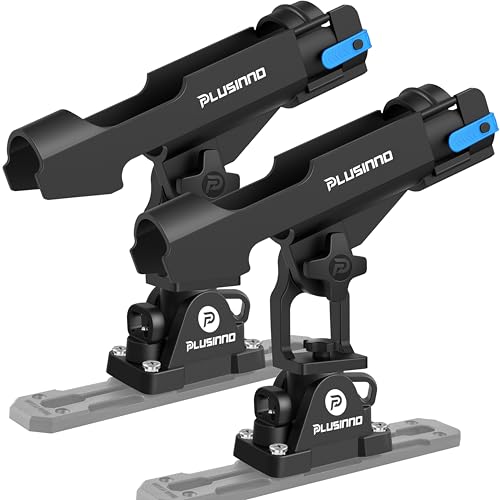 #3
Best Value
PLUSINNO 2 in 1 Kayak Fishing Rod Holder, Fishing Rod Holders for Boat
$24.99
Check Price →Everyday kayak fishing gear should be practical and easy to reach on the water. With about 5.5 million Americans fishing from kayaks in 2024, according to One Outdoors, the basics include safety equipment such as a properly fitted PFD and audible whistle, along with useful additions for rod storage, seating comfort, and on-water tools. This roundup focuses on the listed options for fishing, recreational paddling, and basic safety.
⚡ Quick Answer: Best Kayak Fishing Gear
Best Breathable Flotation Vest: JKSPORTS Fly Fishing Vest Fishing Safety Life Jacket for Swimming Sailing Boating Kayak Floating Multifunction Breathable Backpack for Men and Women Kayak Vest Swim Vest (Army Green,with Foam)
$33.99 — Check price on Amazon →
Table of Contents
Main Points
- Start with safety: the JKSPORTS fishing vest provides a PFD option, while LuxoGear whistles provide a visible signaling option. Confirm the vest fits securely and keep the whistle immediately accessible.
- For basic fishing-tool needs, the KastKing SteelStream 6pc kit is labeled as a six-piece fishing tool kit. Check the included tools and choose any additional line cutter or knife separately if needed.
- The PLUSINNO 2-in-1 rod holder is a rod-management option for a kayak or boat. Check mounting compatibility and position it where the rod remains accessible without compromising a secure seated position.
- The NEW-Vi gel cushion is a waterproof padded seat accessory. Measure the seat area first and confirm that it does not interfere with foot bracing, drainage, or a secure seated position.
- Match each accessory to the kayak and conditions: verify fit and access for safety gear, mounting space for the rod holder, and dimensions for the cushion. Choose calm, protected water while building familiarity with the setup.
Our Top Picks
Affiliate disclosure: if you buy through these links, we may earn a commission at no extra cost to you.
Factors to Consider
Frequently Asked Questions
Is a sit-on-top kayak better for kayak fishing?
For many fishing situations, yes. Sit-on-top kayaks offer an open deck, accessible storage, and easier self-rescue. Models with a stable platform can also make it easier to move around while fishing.
What size fishing kayak should a beginner buy?
A stable sit-on-top kayak at least 10 feet long can be a practical starting point for a beginner. A wider beam may provide a steadier platform for casting, while extra length can help on open water.
What paddle length is best for a fishing kayak?
Around 230–240 cm is a useful starting range for many fishing kayaks. Choose a paddle length that suits the kayak's width and your seating position, and prioritize a comfortable weight for frequent trips.
Is a pedal-drive kayak worth the extra cost?
It can be worthwhile for anglers who reposition frequently or want hands-free propulsion while casting. The added cost, weight, and maintenance should be weighed against how often those features will be useful.
What safety gear is essential for kayak fishing?
Start with a properly fitted PFD, whistle, phone protection, and leashes for items that could be lost overboard. A line cutter and a way to remove water can also be useful additions.
Do I need a kayak cart and roof rack?
A cart is worthwhile when the launch involves a long carry or uneven ground. A roof rack is useful for transporting a kayak by car; choose compatible supports and secure the kayak according to the equipment and vehicle instructions.
How much does a beginner kayak-fishing setup cost?
A beginner setup can vary widely depending on the kayak, paddle, safety equipment, and fishing gear selected. A pedal drive, upgraded seat, cart, or roof-rack system can raise the total substantially.
Conclusion
A practical everyday kayak-fishing setup should cover comfort, organization, transport, and safety. Choose the accessories that fit your kayak and routine, and keep essential safety equipment within immediate reach.


