

Best Kayak PFDs for Summer
Our Top Picks
Affiliate disclosure: if you buy through these links, we may earn a commission at no extra cost to you.
Factors to Consider
Fit and Sizing for real-water comfort
⚡ Quick Answer
Long paddling days demand a PFD that stays put, not a loose vest that rides up every time you reach for a rod or paddle. Start with your chest measurement and try on with the layers you actually wear on summer trips, then test the fit by lifting your arms and reaching forward—if it gaps or shifts, go a size up or seek a more adjustable model. Look for adjustable sides, a secure waist belt, and a contoured collar that leaves room for shoulder movement without choking you.
Table of Contents
Type, Buoyancy, and Intended Use
Know the difference between Type III and Type V PFDs: Type III is the default choice for kayak touring and fishing because it blends flotation with mobility, while Type V is a “special use” category that may require wearing the device to count toward buoyancy. Inflatable PFDs trade some bulk for comfort but demand regular checks and maintenance, and they aren’t always ideal for whitewater or young paddlers. Choose a USCG-approved option with features suited to your activity—pocket layout, access to a knife or nippers, and how it sits when you’re seated in the cockpit.
Comfort, Mobility, and Long-Paddle Performance
Breathable fabrics and a low-profile back help keep you cool on hot, sunny days, so you won’t abandon practice maneuvers because you overheated. Check for padding that won’t pinch at the neck or shoulders and ensure the material doesn’t wedge your arms when you sweep or roll. The right fit should feel like a light layer, not a bulky jacket, especially during long paddles or extended fishing sessions.
Durability, Pockets, and Accessories
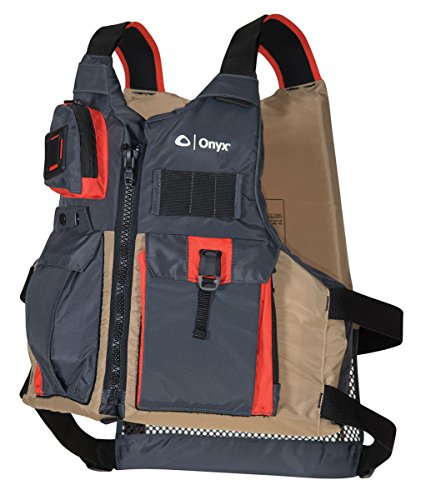
Look for rugged shells with reinforced seams in high-wear zones and durable zippers that won’t seize after a day on salt or sun. Pockets and tool attachments matter for fishing and multitasking—plenty of PFDs offer pliers, cutters, and lanyard points without getting in the way of paddling. Bright colors and reflective trim boost visibility in low-light or shaded river bends, a real bonus when you’re guiding groups at dawn or dusk.
Frequently Asked Questions
What is the difference between Type III and Type V PFDs for kayaking?
Type III is the standard choice for sit-on-top and touring paddlers because it balances flotation with full mobility. Type V is a “special use” vest (foam-filled or inflatable) and may require wearing the device to count toward buoyancy; it’s important to follow the manufacturer’s instructions. For most paddlers, Type III is the safer default unless you have a specific use-case and comply with Type V requirements.
Are inflatable PFDs safe for whitewater or kids?
Inflatable PFDs offer comfort and reduced bulk, but they require regular checks and maintenance and may not be suitable for all conditions or young children. Many paddlers reserve inflatables for calm-water touring and prefer foam-filled Type III for whitewater or family paddling due to the consistent buoyancy and lower risk of accidental deflation. Always follow the manufacturer’s safety guidelines and local regulations.
How do I know what size PFD to buy for kayaking?
Start with your chest measurement and try on the PFD with the layers you expect to wear on water. Ensure you can fasten the waist belt and adjust the sides without crowding your neck or restricting movement. If you’re between sizes, opt for the larger size and adjust with the straps to keep the PFD snug without riding up.
Do kayak PFDs have pockets and attachments for fishing gear?
Many fishing-focused PFDs feature front pockets, knife sheaths, and tool lanyards designed for quick access from the cockpit. If you regularly carry pliers, line cutters, or small reels, prioritize models with secure closures and accessible placement that don’t interfere with paddling. Not all PFDs include pockets, so check the product specs if gear storage is a priority.
Should I choose a PFD with a crotch strap for summer paddling?
A crotch strap helps prevent ride-up in rougher water or whitewater scenarios and is strongly recommended for those conditions. For calm-water or casual summer paddling, it’s a nice-to-have feature, but not strictly required if the PFD fits securely and remains in place during movement. Always consider your typical water conditions when deciding.
What about visibility features on PFDs?
High-visibility colors and reflective trim improve safety, especially in low-light conditions or busy waterways. Bright colors also make it easier for a guide or fellow paddlers to locate you in brushy shorelines or during group trips. When fishing or guiding at dawn or dusk, visibility can be as important as buoyancy.
How do I care for and maintain my PFD?
Rinse PFDs with fresh water after exposure to salt, sunscreen, or grime and dry flat away from direct heat to prevent fabric stiffness. Regularly inspect for cracked foam, torn seams, and loose fasteners, replacing any worn gear. Follow manufacturer care instructions and retire a PFD that shows significant wear or has lost buoyancy.


