

Dry Bags vs Kayak Fishing Gear: Which Should You Buy in 2026
If your kayak is going to carry a phone, wallet, dry layer, or spare bait, the first thing you need to sort out is what stays dry and what stays useful. A dry bag is a storage and protection component. Kayak fishing gear is a broader category that can include vests, tool kits, nets, and other items that support the actual act of fishing. That difference matters before you spend money, because a dry bag can be a single purchase, while fishing gear often becomes a system.
This comparison is for paddlers who are trying to decide whether their next purchase should be a reliable dry bag or a fishing-specific piece of gear. It is especially useful if you are choosing between safety, stealth, and convenience on the water. If you paddle recreationally, fish from a stable platform, or want to keep essentials protected in rain and shallow water, the right answer depends on what problem you are solving first.
Affiliate disclosure: if you buy through these links, we may earn a commission at no extra cost to you.
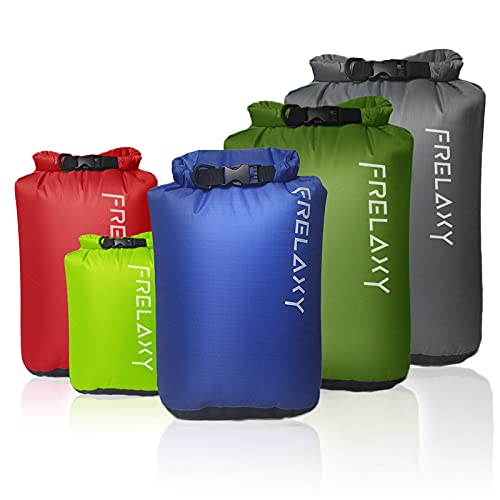


Table of Contents
- Our Top Picks
- Quick Verdict
- About Dry Bags
- About Kayak Fishing Gear
- Head-to-Head: Protection vs Function
- Head-to-Head: Weight, Stability, and Paddle Comfort
- Head-to-Head: Fishing vs Recreational vs Whitewater Use
- Who Should Choose Dry Bags?
- Who Should Choose Kayak Fishing Gear?
- Our Verdict
- Frequently Asked Questions
- Sources & References
- Relevant Products for This Topic
Our Top Picks
Affiliate disclosure: if you buy through these links, we may earn a commission at no extra cost to you.
Quick Verdict
Choose Dry Bags if...
- You need a simple way to keep a phone, wallet, keys, or dry layer protected from rain, splashes, and brief submersion.
- You want a component that works across recreational paddling, fishing, and wet-weather trips without replacing your paddle or kayak setup.
- You are buying for a specific storage need, such as a small cockpit bag, a larger multi-day pack, or a floating bag for quick access.
Choose Kayak Fishing Gear if...
- Your main goal is to fish more effectively, not just keep gear dry.
- You need items that support casting, landing fish, organizing tackle, or improving visibility and safety while fishing.
- You are building a fishing-specific setup and already have basic dry storage covered.
| Factor | Dry Bags | Kayak Fishing Gear |
|---|---|---|
| Scope | Single component: storage and water protection. | Broad category: fishing-specific tools, safety items, nets, vests, and accessories. |
| Relative Cost (source-bound only) | No source-bound cost comparison is available. A dry bag is one component, so cost depends on size, closure, and material. | No source-bound cost comparison is available. Fishing gear can be a single tool or a multi-item kit, so total cost varies widely. |
| Best For | Keeping essentials dry in rain, splashes, and brief shallow water. | Improving fishing performance, organization, and safety while targeting fish. |
| Setup Difficulty | Low: pack gear, close the closure, place it in the cockpit or on a deck. | Medium: may require mounting, rigging, adjusting fit, or integrating tools into your fishing routine. |
| Reliability | Depends on closure system and construction; a properly sealed roll-top is useful for common wet conditions. | Depends on the specific item; a tool kit or net is only as reliable as the task it is built for. |
| Weight and Stability Impact | Added weight is usually small and predictable, but bulky bags can shift if not secured. | Can add more clutter and weight to the cockpit, which may affect stability and paddle comfort over long trips. |
| Key Advantage | Protects high-value items and gives you a clear dry zone. | Directly supports the fishing process, from handling gear to landing fish. |
| Main Drawback | Does not improve fishing performance or help you catch fish. | Does not solve the core problem of keeping essential items dry unless the item is specifically designed for storage. |
About Dry Bags
A dry bag is one of the most practical pieces of gear on a kayak because it solves a simple problem: water gets in, and you do not want your essentials to get wet. On real water, that means rain, spray, a tipped paddle, a low wave, or a brief dunk while moving around the boat. The value is not in making the kayak faster or more stable; it is in giving you a protected space for things that matter if they fail.
The main thing to watch is the closure system and how the bag is built. A properly sealed roll-top dry bag is suitable for rain, splashes, and brief shallow submersion, while a bag with a submersible zipper can be better for extended full submersion and camera-grade protection, according to Best Waterproof Dry Bags: Your ULTIMATE Guide to Bone-Dry Gear. Size also matters. Best Dry Bags for Kayaking recommends at least one 10–20 L dry bag for a phone, wallet, and a dry layer, with larger 30–60 L bags for multi-day sleep systems. That guidance helps keep the purchase practical instead of oversized.
For fishing, dry bags can still be useful, but they are not fishing gear. They can hold a dry layer, electronics, or a small kit, but they do not replace a net, tool kit, or fishing-specific storage. Material and color can matter too: PVC dry bags can be heavier but more abrasion-resistant than nylon, and high-visibility colors support safety while dark colors can support stealth fishing, according to Best Dry Bags for Kayaking. If your priority is protection, a dry bag is the easier and more direct buy.
About Kayak Fishing Gear
Kayak fishing gear is a broader category than a single product. It can include items that help you fish, handle fish, organize tackle, or stay visible and safe while working around a boat. The advantage is that this gear is built around the fishing task, not just around keeping things dry. A net, tool kit, vest, or accessory can make the difference between a slow, awkward fishing session and a smoother one.
The tradeoff is that fishing gear is more situational. A dry bag works on almost any paddle, but a fishing-specific item only makes sense if you are actually fishing. If you are choosing between a dry bag and a fishing tool, the question is whether your current setup already has enough dry storage. If your phone, wallet, and dry layer are already protected, then the next useful purchase may be a fishing-specific item that improves your ability to fish from the kayak.
On stability and comfort, fishing gear can add more cockpit clutter than a dry bag. Extra weight is not always the issue; the bigger issue is where the weight sits and whether it forces you to reach, lean, or fight for space while paddling. That can matter over a long paddle, especially if you are using a blade that already feels heavy or a shaft that flexes more than you want. A well-chosen fishing accessory should make the boat easier to use, not harder to paddle.
Head-to-Head: Protection vs Function
Dry bags win when the problem is protection. If you need a place for a phone, wallet, spare layer, or small electronics, a dry bag is the direct answer. It does not make you a better fisher, but it protects the items that can become expensive or inconvenient to replace. A properly sealed roll-top dry bag is useful for rain, splashes, and brief shallow submersion, while a submersible zipper is better for extended full submersion, according to Best Waterproof Dry Bags: Your ULTIMATE Guide to Bone-Dry Gear.
Kayak fishing gear wins when the problem is performance. If you already have dry storage covered and your next bottleneck is landing fish, organizing tackle, or handling gear, a fishing-specific item is the better buy. The key is to treat fishing gear as a task-specific purchase, not as a general storage solution. If the item does not improve the fishing process, it is just another thing taking up space in the cockpit.
Head-to-Head: Weight, Stability, and Paddle Comfort
Weight and placement matter on real water. A dry bag is usually easier to manage because it is a single object that can be packed and secured. If it is oversized, it can still shift, but the weight is usually predictable. For a recreational paddler, that predictability is one of the main reasons a dry bag is a safe first purchase. It does not change your paddle choice, but it also does not add a lot of moving parts.
Fishing gear can be more complicated. A net, tool kit, or vest may be useful, but it can also add bulk near your hands or in the cockpit. That can affect how comfortable long paddles feel, especially if you are already using a heavier blade or a shaft that flexes under load. If your kayak is stable and you paddle efficiently, a small fishing accessory may not matter much. If your boat is already tight on space, or if you tend to reach across the cockpit, the added clutter can make the whole trip feel less clean. In that case, the dry bag may be the better first buy because it solves a problem without adding as much complexity.
Head-to-Head: Fishing vs Recreational vs Whitewater Use
For recreational paddling, a dry bag is usually the more useful first purchase. It works whether you are paddling a lake, a river, or a coastal route. You do not need to be fishing to benefit from a dry bag, and a 10–20 L size is a practical starting point for daily essentials, according to Best Dry Bags for Kayaking. If you paddle in wet weather or carry electronics, the dry bag is the lower-risk buy.
For fishing, the answer depends on what is missing. If you already have dry storage, a fishing-specific item may be the better next step. If you do not have reliable dry storage, buy the dry bag first. For whitewater or rougher conditions, the priority is protection and safety, not fishing-specific accessories. A dry bag is more universally useful in that setting, while fishing gear should only be used if it is appropriate for the conditions and does not compromise safety or stability.
Who Should Choose Dry Bags?
Choose dry bags if your main need is protection. This is the right buy if you carry a phone, wallet, keys, dry layer, or small electronics and you want a simple way to keep them usable after a wet paddle. It is also the better first purchase for recreational paddlers, multi-day paddlers, and anyone who wants a piece of gear that works across multiple boating styles without turning into a full fishing setup.
Who Should Choose Kayak Fishing Gear?
Choose kayak fishing gear if you already have basic dry storage covered and your next goal is to fish better. This is the right buy if you need a net, tool kit, vest, or other accessory that directly supports the fishing process. It is best for anglers who know what is missing in their setup and want to improve organization, handling, or safety while fishing from a kayak.
Our Verdict
Buy the dry bag first if you do not already have reliable dry storage. It is the more universal purchase, and it solves a problem that affects every paddle, not just fishing trips. Buy kayak fishing gear second if your dry essentials are already protected and your next real bottleneck is fishing performance. The honest answer is not that one category is always better; the better buy is the one that fixes the weakest part of your current setup.
Frequently Asked Questions
Are dry bags enough for kayak fishing?
They can be enough for keeping essentials dry, but they are not enough for the full fishing setup. A dry bag protects your gear; it does not replace a net, tool kit, or other fishing-specific item.
Which is more useful for recreational paddling?
A dry bag is usually more useful for recreational paddling because it works whether or not you are fishing. It protects a phone, wallet, dry layer, and other small items in rain, spray, and brief submersion.
Can fishing gear make a kayak less stable?
It can, if it adds weight in a way that changes how the boat sits or forces you to reach and lean. The issue is not just total weight; placement and cockpit clutter matter too.
What size dry bag should a kayaker start with?
Best Dry Bags for Kayaking recommends at least one 10–20 L dry bag for a phone, wallet, and a dry layer. Multi-day paddlers may need larger bags, but the starting size should match the actual volume of gear you carry.
Should I buy a dry bag or a fishing tool kit first?
If you do not have reliable dry storage, buy the dry bag first. If your essentials are already protected and your next problem is handling or organizing fishing gear, the tool kit is the better next purchase.
Sources & References
Relevant Products for This Topic
As an Amazon Associate we earn from qualifying purchases at no extra cost to you.


