

How to Choose the Right Kayak Paddles for Spring Fishing Trips in 2026
⚡ Quick Answer
Spring is prime time for kayak fishing — the water warms up, fish are actively feeding, and longer daylight hours give you more opportunities to hit your favorite spots. But to truly enjoy your trips and make the most of your time on the water, choosing the right paddle is essential. After all, your paddle affects tracking, stability, comfort, and endurance, which all matter when spending hours chasing fish from your kayak. The right paddle can mean less fatigue, better control, and more fish caught.
Table of Contents
- Our Top Picks in Detail
- Understanding Paddle Types & Blade Materials
- Choosing the Right Paddle Length & Shaft Flex
- Blade Shape & Performance for Different Water Conditions
- Comfort, Durability & Practical Tips for Fishing & Recreation
- Additional Paddle Accessories & Next-Level Gear
- Frequently Asked Questions
- Conclusion
With so many options out there — from materials and blade shapes to shaft flex and length — it’s easy to get overwhelmed. I’ve been on water countless times, testing gear in different conditions from calm lakes to windy estuaries and whitewater. This guide will walk you through the key factors to consider, how different paddles perform in real-world scenarios, and practical tips to match your kayak fishing style in 2026.
Our Top Picks in Detail
Affiliate disclosure: if you buy through these links, we may earn a commission at no extra cost to you.

OCEANBROAD Adjustable Carbon Fishing Kayak Paddle - 94in/240cm-98in/250cm-102in/260cm Carbon Fiber Shaft Paddles Kayaking Fishing Oar with Paddle Leash, Black
$90.99Check Price →This is the pick to look at first if you want a reliable, well-rounded option that handles everyday use without unnecessary compromises. OCEANBROAD Adjustable Carbon Fishing Kayak Paddle - 94in/240cm-98in/250cm-102in/260cm Carbon Fiber Shaft Paddles Kayaking Fishing Oar with Paddle Leash, Black delivers solid performance across the features that matter most in this category.
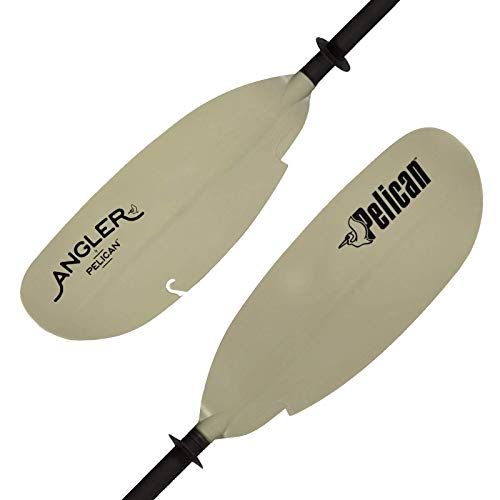
Pelican Poseidon Angler Fishing Lightweight Kayak Paddle - Built-in Retrieval Hooks - Fiberglass Reinforced (Sand, 98.5 in)
$74.99Check Price →If the top pick doesn't quite fit your situation, Pelican Poseidon Angler Fishing Lightweight Kayak Paddle - Built-in Retrieval Hooks - Fiberglass Reinforced (Sand, 98.5 in) is worth a close look as a capable alternative that still covers the essentials well.

Pelican - Poseidon Angler Fishing Lightweight Kayak Paddle, Grey, 94.5"
$62.36Check Price →For buyers who want the most for their money without sacrificing the features that actually matter, Pelican - Poseidon Angler Fishing Lightweight Kayak Paddle, Grey, 94.5" is the practical choice at this price point.
Understanding Paddle Types & Blade Materials
When selecting a kayak paddle, start with the core differences: fixed vs. adjustable shafts and the materials used for blades. For fishing trips, I find a 2-piece adjustable paddle often beats a fixed one for versatility and packability, especially if you’re loading gear and need to stow your paddle easily. In terms of blade materials, common options include plastic, aluminum, fiberglass, and carbon fiber.
Plastic blades are tough, durable, and cost-effective, making them suitable for rougher waters or beginner paddlers. Aluminum shafts add durability but can feel heavier over long outings. Fiberglass blades offer a great balance—light, decent durability, and good performance at a reasonable price. Carbon fiber blades are the lightest and stiffest, providing better tracking and less fatigue on long pushes, but they come at a premium.
Choosing the Right Paddle Length & Shaft Flex
Determining the correct paddle length is crucial. A paddle that’s too long or too short affects tracking, stability, and comfort. I recommend measuring from your hull's waterline to the top of your extended arms—typically, a length of 220-240cm suits most recreational and fishing kayaks. For wider fishing kayaks (30 inches or more), lean towards the 230-240cm range for better leverage.
Regarding shaft flex, a stiffer shaft (rigid) transfers power more efficiently, ideal if you’re casting, trolling, or covering long distances. A slightly flexing shaft can dampen vibrations and reduce fatigue over hours of paddling, which is helpful if your kayak has a wider beam or if you're paddling in windy conditions. Test different flex options to see what feels natural—you don’t want your paddle to feel like a fight every stroke.
Blade Shape & Performance for Different Water Conditions
Blade shape significantly impacts how your paddle performs on calm lakes versus whitewater or windy estuaries. For fishing trips, I prefer a slightly wider, skegged blade, which offers more surface area for efficient strokes without requiring excessive effort. Blades with a tapered or dihedral shape help with smooth water entry and reduce flutter, making tracking more precise during trolling or long-distance paddling.
In whitewater or when battling surf, you’ll want a more robust, narrower blade for quick strokes and maneuverability. For calm water and fishing, a slightly larger blade provides better power to cover more distance or push through currents with less fatigue.
Comfort, Durability & Practical Tips for Fishing & Recreation
Two factors often overlooked are comfort and durability. Lightweight paddles minimize fatigue—especially vital when you’re casting, fighting fish, or just cruising—so don’t automatically go for the heaviest option. An ergonomic grip, preferably with textured rubber or EVA foam, helps prevent slipping and hand fatigue during long hours.
Durability matters when you’re navigating rocky shorelines or tight storage. Fiberglass or composite paddles tend to withstand a knock or two better than carbon, which is more fragile but lighter. A paddle with a balanced weight distribution and an adjustable lock mechanism ensures longevity and ease of transport on your car’s roof rack or kayak cart.
Additional Paddle Accessories & Next-Level Gear
Enhancing your paddling setup with the right accessories can make a big difference. Paddle leashes keep your paddle secured—crucial if a sudden gust or fish pull causes you to lose grip. Consider a paddle-specific dry bag that straps neatly onto your kayak’s deck to keep your paddle dry and within reach.
Remember to match your paddle with a quality PFD and comfortable kayak seat; after all, a stable, relaxed position makes paddling more efficient and enjoyable. For those longer trips, a paddle leash combined with a dry bag containing essentials like snacks, sun protection, and spare gear is a game-changer.
Frequently Asked Questions
How long should my kayak paddle be for fishing?
Most fishing kayaks require paddles between 220-240cm. Measure from your hull’s waterline to your fingertips with your arms extended; add a few centimeters for comfortable leverage.
Is a carbon fiber paddle worth the extra cost?
If you’re serious about long fishing trips and want the best tracking with less fatigue, yes. Carbon paddles are lighter and stiffer, which makes a noticeable difference over many hours on the water.
Should I choose a wider or narrower blade for fishing?
Wider blades provide more power and are better for trolling and fighting currents. Narrower blades are more efficient for long-distance paddling but may require more effort to maintain speed.
Can I use a whitewater paddle for fishing?
While it's possible, whitewater paddles are generally narrower and less durable for fishing applications. Opt for a paddle designed for flatwater or touring to gain better stability and comfort.
What’s the best blade material for a durable, lightweight paddle?
Fiberglass offers great durability and weight balance, but carbon fiber is the ultimate lightweight and stiff choice if budget allows.
Conclusion
Choosing the right kayak paddle for your spring fishing trips in 2026 boils down to matching your water conditions, fishing style, and personal comfort preferences. Prioritize lightweight, durable materials, appropriate length, and blade shape to improve tracking, reduce fatigue, and enhance control. With the right gear, you’ll spend more time fishing and less time battling your equipment. Start by evaluating your typical water conditions, then experiment with different shaft flex and blade materials to find what feels best for you. Happy paddling and tight lines this season!


