⚠️ Affiliate Disclosure: This post contains affiliate links. If you purchase through our links, we may earn a small commission at no extra cost to you. Full disclosure here.
I’ve spent more years fighting current than I care to admit, and if there’s one thing I’ve learned, it’s that a kayak isn’t just a boat—it’s an extension of your balance. Whether you are chasing bass in a still pond or navigating the chop of a coastal inlet, the difference between a frustrating day and a perfect glide comes down to hull design, material resilience, and that elusive "feel" at the waterline. I’ve put these five Pelican models through their paces to separate the plastic pushers from the actual paddling partners, focusing on what matters when the wind picks up and your back starts to ache.
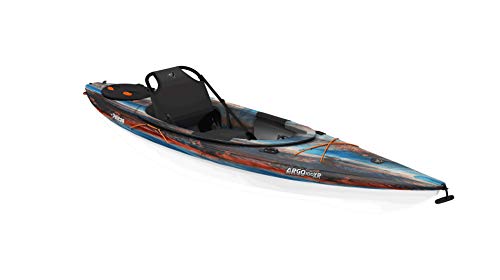
Prioritize the Argo 100X EXO for solo adventurers seeking the best blend of Ram-X™ durability and the Ergobreeze™ comfort system for long-distance tracking.
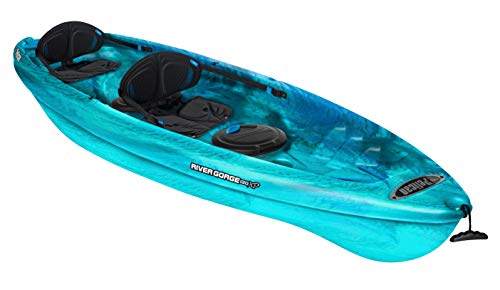
Choose the River Gorge 130X Tandem when sharing the water with a partner, as its 13-foot length provides superior stability and glide compared to shorter recreational hulls.
Opt for the Sit-on-Top Seek 100X or River Gorge if you frequently wade in shallow waters or need quick self-drainage, leveraging the adjustable Ergoform™ seating for ergonomic support.
Respect the weight limits and hull geometry: the 10-foot Argo models offer agility for narrow waterways, while the 13-foot tandem is built for open lake stability rather than technical maneuvering.
Verify that the blade material and shaft flex match your paddle style, as even the best kayak hull cannot compensate for poor paddle technique over multi-hour excursions.
Our Top Picks
Affiliate disclosure: if you buy through these links, we may earn a commission at no extra cost to you.
The hull design dictates everything from tracking to stability, so match the kayak to the water you actually use. Sit-on-top kayaks offer self-bailing stability perfect for warm-weather fishing and flatwater recreation, while sit-inside models with rudder systems provide superior tracking and spray protection for cold or open water. Whitewater enthusiasts require shorter, more maneuverable hulls with pronounced rocker to handle rapids, whereas touring kayaks prioritize straight-line efficiency over long distances. Choosing the wrong hull shape for your intended use will result in a frustrating experience, whether you are fighting wind drift or struggling to turn in choppy surf.
Evaluate Weight and Transport Logistics
A kayak's dry weight directly impacts your ability to load it onto a roof rack and carry it from the parking lot to the launch point. Most recreational kayaks weigh between 50 and 70 pounds, which is manageable for a single person with a cart, but touring or fishing models can exceed 80 pounds. If you lack a helper or a sturdy kayak cart, prioritize lighter materials like high-density polyethylene over heavy rotomolded plastic. Consider the length of your vehicle and the availability of roof racks, as longer kayaks over 12 feet require careful balancing and secure tie-downs to prevent damage during transit.
Assess Comfort and Seating for Long Paddles
The seat is the only point of contact between you and the kayak, making it critical for comfort on trips lasting more than an hour. Look for adjustable backrests with adequate lumbar support and padded contours that distribute weight evenly to prevent numbness. A good seat should allow you to maintain a neutral spine position, which improves paddling efficiency and reduces fatigue in your lower back. Test the adjustability of the foot braces as well, ensuring they align properly with your knee angle to maximize power transfer with each stroke.
Compare Paddle Materials and Shaft Flex
Your paddle is the engine of your kayak, so investing in the right blade material and shaft flex is essential for injury prevention and performance. Fiberglass shafts offer a beneficial flex that absorbs shock and reduces strain on your shoulders during long paddles, making them ideal for touring and fitness kayaking. Carbon fiber paddles are lighter and stiffer, providing faster response times but at a higher cost and increased risk of fatigue for beginners. Aluminum shafts are durable and affordable but add unnecessary weight, which can lead to quicker arm fatigue over multi-hour excursions.
Check Durability and Material Construction
The construction material determines how well your kayak withstands abrasion from rocks, sandbars, and accidental drops. Rotomolded polyethylene is the standard for recreational kayaks due to its impact resistance and ability to bounce back from bumps without cracking. For higher performance, thermoformed ABS skins over a foam core offer a lighter, more rigid hull that tracks better but is more susceptible to puncture from sharp objects. Always inspect the hull for uniform thickness and check the quality of the bungs and hatch seals, as these are common failure points that can lead to water intrusion and damage to your gear.
Frequently Asked Questions
How do I choose between a sit-on-top and a sit-inside kayak?
Sit-on-top kayaks are self-bailing and offer greater stability, making them ideal for warm-weather fishing and recreational use where you might fall in. Sit-inside kayaks provide better protection from wind and cold water, making them the preferred choice for touring, cold climates, and rougher conditions. Consider your primary activity and typical water temperature when making this decision, as each design offers distinct advantages for different paddling styles.
What is the ideal kayak length for tracking and stability?
Longer kayaks, typically over 10 feet, track better in a straight line and are more efficient for touring and covering distance. Shorter kayaks, under 10 feet, are more maneuverable and easier to turn, making them suitable for whitewater and tight spaces. For general recreational use and fishing, a length between 10 and 12 feet offers a good balance of stability and tracking performance.
How much weight capacity should I look for in a kayak?
Ensure the kayak's maximum weight capacity exceeds the combined weight of the paddler, gear, and any fishing equipment by at least 20-30 pounds. Exceeding the recommended weight limit can cause the kayak to sit too low in the water, reducing stability and making it harder to paddle efficiently. Always check the manufacturer's specifications for both the paddler's weight and the gear capacity, as these limits are strictly enforced for safety and performance.
Do I need a rudder or skeg for my kayak?
Rudders and skegs help maintain a straight course in windy conditions or when carrying uneven loads, which is common for fishing kayaks. Rudders are more effective but can be prone to snagging on shallow obstacles, while skegs are simpler and less likely to catch on the bottom. For calm, protected waters, a well-designed hull may track well enough without additional aids, but for open lakes or coastal paddling, a rudder or skeg can significantly improve control and reduce fatigue.
How do I properly secure a kayak to my vehicle roof rack?
Use high-quality cam straps or tie-downs to secure the kayak at the bow, stern, and midship points, ensuring the kayak is centered and balanced on the rack. Tighten the straps until the kayak is snug against the rack pads, but avoid over-tightening which can damage the hull. Always double-check the security of the straps before driving and re-tighten them after the first few miles, as vibration can cause straps to loosen over time.
What type of paddle leash should I use?
A paddle leash prevents your paddle from floating away if you drop it, which is especially important in moving water or when fishing. Choose a leash with a secure attachment point that connects to your life jacket or kayak, and ensure it has enough slack to allow for comfortable paddling without restricting your movement. Look for a leash made from durable, UV-resistant material that won't tangle easily and can withstand repeated use in various water conditions.
How do I maintain and store my kayak to extend its lifespan?
Rinse your kayak with fresh water after each use, especially if you've been paddling in saltwater or muddy rivers, to prevent corrosion and material degradation. Store your kayak upside down or on a padded rack in a cool, shaded area to protect it from UV damage and deformation. Avoid leaving your kayak exposed to the elements for extended periods, as prolonged sun exposure can cause plastic to become brittle and fade over time.
Conclusion
Choosing the right kayak involves balancing your specific paddling needs with practical considerations like weight, comfort, and durability. Whether you are targeting fish from a stable sit-on-top or exploring distant shores in a sleek touring kayak, investing in quality gear ensures a safer and more enjoyable experience on the water. Prioritize a kayak that matches your primary water type and paddling style, and don't forget to equip it with essential accessories like a reliable paddle, comfortable seat, and secure transport system for optimal performance.
Last updated:
About the Author: Sam Kowalski — Sam is a kayak fishing guide and whitewater instructor based in the Great Lakes region who has paddled everything from flatwater to Class IV rapids. He reviews gear based on on-water performance and durability.
🛒 Relevant Products for This Topic
Affiliate disclosure: if you buy through these links, we may earn a commission at no extra cost to you.