

Best Paddles for Dad
🏆 Top Picks at a Glance
 #1
#1
Best Overall
Trader 2 Pack Boat Canoe Paddles Telescoping Collapsible Oar Aluminum 21.3-41.7 in Kayak Paddles Adjustable Length for Kayak Inflatable Dinghy Water Sport Boat Accessories(Black)
$39.99
Check Price →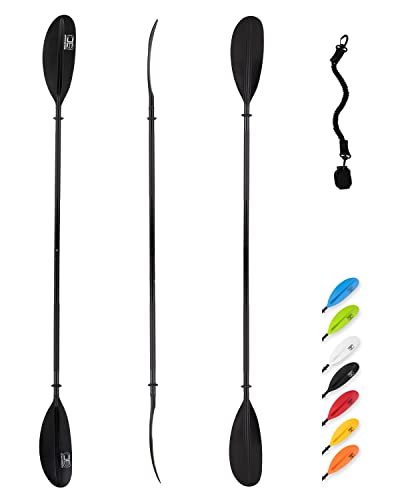 #2
#2
Runner Up
OCEANBROAD Kayak Paddle 90.5in/230cm Alloy Shaft Kayaking Boating Canoeing Oar with Paddle Leash 1 Paddle, Black
$30.95
Check Price → #3
#3
Best Value
OCEANBROAD Kayak Paddle 86in/218cm Alloy Shaft 2-Piece Floatable Kayak Oar for Kayaking Canoeing Boating, 1 Paddle, Mint Green
$29.99
Check Price →Our Top Picks
Affiliate disclosure: if you buy through these links, we may earn a commission at no extra cost to you.
Factors to Consider
Blade material and geometry
⚡ Quick Answer
Carbon fiber blades are the lightest and stiffest option, which translates to less fatigue over long flats or lake laps and quicker catch in shallow water. Fiberglass blades offer a solid balance of durability and cost, and they’re often preferred by buyers who flood the water with rocks and sand while fishing or learning. A dihedral blade shape helps track and reduces flutter in chop, which matters when you’re carving through weedy rivers or following a moving current on a lake.
Table of Contents
Shaft material, flex, and comfort
Carbon shafts are stiff and efficient, which translates to clean power transfer over long paddles, but some paddlers prefer a touch of flex for comfort during all-day sessions. Aluminum or fiberglass shafts add durability and a bit more “give,” which can reduce wrist fatigue on longer trips. Grip diameter and paddle ergonomic design play a big role in comfort: a slightly larger palm swell or a rounded grip can lessen hand cramping after hours on the water.
Weight, balance, and durability
Weight directly affects maneuverability and tracking when you’re running a kayak with gear, so aim for a paddle in the lighter end of your material range without sacrificing durability. Carbon options typically come in the 700–900 g range per paddle, while fiberglass can be a bit heavier and aluminum even more so; for saltwater use, look for corrosion-resistant ferrule hardware as well. A balanced paddle (even weight distribution between blade and shaft) reduces shoulder strain during extended sessions on rivers or bays.
Length, adjustability, and fit for different paddling styles
Length largely determines leverage and tracking; recreational paddlers on calm water often prefer 210–230 cm, while fishing, touring, or whitewater paddles drift toward 230–260 cm for added reach and leverage. An adjustable-length paddle offers versatility across boats and seasons, but it can add weight and slightly reduce stiffness at the joint. The best fit comes from matching paddle length to your torso height, cockpit width, and typical paddling posture.
Comfort features and extras
Look for non-slip, cushioned grips and a grip diameter that fits your hand well, as this reduces fatigue on long days. Some paddles include protective blade edge guards and ferrules with easy-to-use locking mechanisms that don’t require tools, which is handy for quick swaps after a splashy day on the water. For fishing or saltwater trips, consider corrosion-resistant hardware and blade protection that can stand up to rough contact with rocks, logs, or snaggy vegetation.
Frequently Asked Questions
Q1: What blade material is best for long days on the water?
Carbon fiber blades are the lightest and stiffest, which reduces shoulder and wrist fatigue over long paddling sessions. Fiberglass blades offer a durable, more affordable option that still performs well, especially if you’ll be paddling in rocky rivers or teaching beginners. Aluminum blades are heavier and less common on high-end paddles, but they’re very durable and budget-friendly for rough use.
Q2: How long should my paddle be?
For most adults, recreational paddlers on sit-on-top or touring kayaks fall into roughly 210–230 cm, while fishing, sea, or whitewater paddles tend to be 230–260 cm. The right length balances leverage and control: too long, and you’ll overreach; too short, and you’ll lose efficiency and power. The best approach is to test a few lengths with your usual stance and boat setup on the water.
Q3: Fixed vs adjustable length paddles — which is better?
Adjustable paddles are versatile if you switch between boats or share gear with others, but they can be slightly heavier and less stiff than fixed models. If you spend most of your time in one boat and want maximum efficiency, a well-made fixed-length paddle in the correct range is often the best choice. Field testing shows many fishers appreciate the adaptability of adjustable paddles for different water conditions.
Q4: How important is shaft flex?
Shaft flex can affect fatigue: a stiffer carbon shaft transfers power more directly, while a bit of flex can feel more comfortable on long days by reducing shock and wrist strain. Carbon shafts are typically more rigid and efficient, whereas fiberglass or aluminum shafts feel more forgiving but add weight. Personal preference and paddling style play a big role in choosing flex.
Q5: Are there paddles designed for fishing vs recreational vs whitewater?
Yes. Fishing paddles often feature robust construction, larger blade surfaces for quick bursts of power, and extra-durable edges to stand up to snagging in weed beds or rocks. Whitewater paddles prioritize durability and stiffness to handle rapid water and impacts, while recreational paddles focus on comfort and easy-on-the-wrist efficiency for calm-water cruising. Blade shape and weight distribution can be a big factor in how well a paddle handles chop and current.
Q6: How should I maintain my paddles?
Rinse with fresh water after saltwater use to prevent corrosion, dry thoroughly, and store out of direct sun to protect composites. Check ferrule locks and blade tips for cracks or chips after rocky or brackish-water days, and replace worn edge guards as needed. Regular maintenance extends life and preserves tracking and balance on long paddles.
Q7: How much should I expect to pay?
Budget paddles (including some aluminum core options) can start around $60–$120, fiberglass paddles typically range from $120–$260, and carbon paddles often run $260–$550 or more depending on brand and refinements. Adjustable-length designs add a bit of premium, but many paddlers find the payoff in versatility for different boats and conditions over several seasons.
Conclusion
Choosing the right paddle makes a tangible difference in tracking, stability, and comfort on long days of fishing, recreation, or whitewater runs. For Dad, I’d start with a carbon blade in a 230–250 cm range and a balanced, slightly flexible shaft for all-day comfort, then fine-tune based on preferred water type and boat. The right paddle is the one that keeps you paddling efficiently and enjoying every second on the water.


