

How to Choose the Right Paddle Leashes
⚡ Quick Answer
Whether you're calmly paddling along a freshwater lake or chasing elusive bass on a kayak fishing trip, keeping your paddle secured is essential. A well-chosen paddle leash can prevent the frustration of lost gear and the risk of swinging paddles hitting other boaters or damaging your kayak. With so many options on the market, knowing what to look for can feel overwhelming—so I’m here to cut through the clutter with real-world advice from years on the water.
Table of Contents
- Our Top Picks in Detail
- Understanding Paddle Leashes and Their Importance
- Types of Paddle Leashes and Their Suitability
- Choosing the Right Material and Durability
- Length and Attachment Tips
- Safety Considerations and Best Practices
- Final Tips for Different Kayaking Adventures
- Frequently Asked Questions
In this guide, we'll explore how different paddle leashes perform in various kayaking scenarios, from stability and durability to comfort and safety. Let’s make sure your paddle stays with you, no matter how the water or your day unfolds.
Our Top Picks in Detail
Affiliate disclosure: if you buy through these links, we may earn a commission at no extra cost to you.
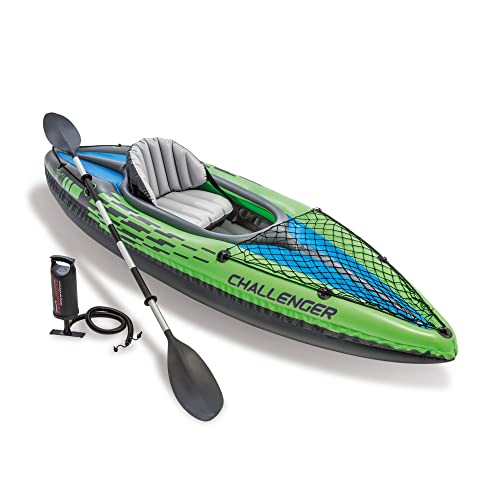
INTEX 68305EP Challenger K1 Inflatable Kayak Set: Includes Deluxe 86in Kayak Paddles and High-Output Pump – Adjustable Seat with Backrest – Removable Skeg – 1-Person – 220lb Weight Capacity
$104.0Check Price →This is the pick to look at first if you want a reliable, well-rounded option that handles everyday use without unnecessary compromises. INTEX 68305EP Challenger K1 Inflatable Kayak Set: Includes Deluxe 86in Kayak Paddles and High-Output Pump – Adjustable Seat with Backrest – Removable Skeg – 1-Person – 220lb Weight Capacity delivers solid performance across the features that matter most in this category.
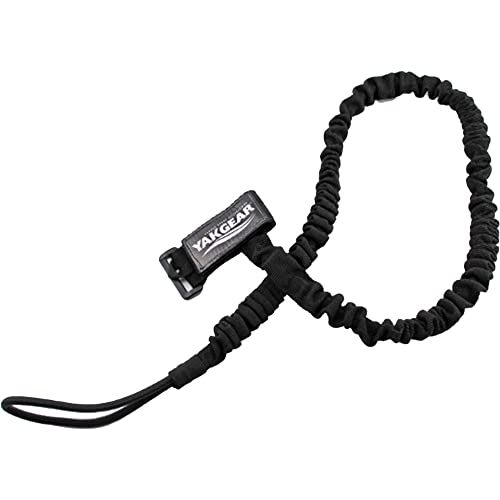
YakGear BPL36B-H Baja Paddle Leash - 36", Black
$19.91Check Price →If the top pick doesn't quite fit your situation, YakGear BPL36B-H Baja Paddle Leash - 36", Black is worth a close look as a capable alternative that still covers the essentials well.

Seattle Sports Multi Leash - Secure Stretch Lanyard Leash for Paddles and Fishing Poles
$16.04Check Price →For buyers who want the most for their money without sacrificing the features that actually matter, Seattle Sports Multi Leash - Secure Stretch Lanyard Leash for Paddles and Fishing Poles is the practical choice at this price point.
Understanding Paddle Leashes and Their Importance
As someone who's been on water ranging from serene lakes to challenging whitewater rapids, I can tell you that paddle leashes are often overlooked but crucial safety gear. They prevent the frustration of losing your paddle in a gust of wind or after a sudden wave, which can be especially dangerous if you’re alone or in a remote area. For kayak anglers, a paddle leash keeps your gear close when you’re focused on casting or netting fish, preventing the tug-of-war with the boat that can happen when a paddle slips free.
The right leash ensures convenience and peace of mind. Without one, it’s easy to lose your paddle overboard or have it swing dangerously if it slips loose—leading to damage to your kayak or boat wake hazards. Choosing the right leash depends on your kayak style, the water conditions, and your personal paddling habits.
Types of Paddle Leashes and Their Suitability
There are primarily two types of paddle leashes: coiled and straight. Coiled leashes are popular among casual paddlers and fishing kayakers because they stretch out with your paddle movements and stay out of the way when not in use. Straight leashes offer a simpler, more secure method for whitewater paddling or rough water where extra security is needed.
During calm lake trips or leisurely paddleboarding, a coiled leash minimizes drag and snag risk. For whitewater or surf kayaking, a straight leash with a quick-release feature can be essential for rapid safety disengagement. The key is to match the leash type to your activity and water conditions to maximize safety and usability.
Choosing the Right Material and Durability
Materials matter greatly in paddle leash longevity and resilience. Typical options include nylon, rubber, and urethane-coated cords. Nylon tends to be lightweight and reasonable durable but can degrade over time with sun exposure. Rubber or urethane coatings add UV resistance and a bit more stretch, which is helpful in rough water or aggressive paddling scenarios.
In my experience, a paddle leash with a reinforced attachment point—such as a neoprene collar and heavy-duty clips—can withstand the repeated stresses of launching, landings, and accidental snagging. For kayak fishing, where your gear may be in and out of the water constantly, durability is vital to avoid the leash snapping when you need it most.
Length and Attachment Tips
Leash length is a balancing act. Too long, and it can drag or snag on obstacles; too short, and it hampers your paddling motion. Generally, a leash of about 4-6 feet works well for most recreational and fishing kayaks. For whitewater runs, a shorter leash around 3-4 feet offers more control and less snag risk.
Attaching correctly can make all the difference. Use padded or neoprene-covered attachment points to prevent chafing on your paddle shaft. Secure the clip or carabiner to the paddle’s shaft near the handle where it won’t interfere with your grip. Be sure to test the attachment to ensure it’s secure—you don’t want your paddle coming loose unexpectedly.
Safety Considerations and Best Practices
Safety should always be your priority. Avoid leashes that are too tight or cause your paddle to hang dangerously low—this can pose a hazard to others or snag on underwater obstacles. When whitewater kayaking, use quick-release leash systems that can be detached rapidly if needed, especially in situations where entanglement might pose a risk.
Another key safety practice is to always clip the leash to a secure point on your kayak, such as a dedicated D-ring, and avoid attaching it to your PFD or other gear that might come loose. Regular practice detaching and attaching your leash ensures you’re prepared for real scenarios. Remember, a paddle leash shouldn’t interfere with your ability to quickly egress from your kayak, particularly in challenging conditions.
Final Tips for Different Kayaking Adventures
For calm lakes or slow-moving rivers, a lightweight, coiled leash is ideal—minimal drag and enough security. In contrast, kayak anglers will benefit from a stronger, more durable leash with a longer lifespan to handle repeated dunkings and pulling through vegetation. For whitewater, prioritize quick-release features and shorter lengths to prevent snagging during rapid maneuvers.
Remember that the best leash fits your activity, kayak type, and personal safety preferences. Always carry a backup leash or quick-release system, especially for longer trips or in challenging conditions. The right leash isn’t just about security—it’s about peace of mind, so you can enjoy your time on the water without worry.
Frequently Asked Questions
1. What is the best leash material for saltwater fishing?
Urethane-coated nylon or stainless steel clips are best for saltwater conditions, offering resistance to corrosion and longevity in harsh environments.
2. How long should my paddle leash be?
Generally, 4-6 feet is suitable for most recreational and fishing paddles. Shorter for whitewater to prevent snagging.
3. Can I use a regular bungee cord as a paddle leash?
Not recommended. Standard bungee cords lack secure attachment points and durability for use as paddlestraps. Choose dedicated paddle leashes for safety and reliability.
4. Is a quick-release leash necessary for whitewater paddling?
Absolutely. Quick-release leashes are vital in whitewater to prevent entanglement during rapid maneuvers or falls.
5. How do I prevent my leash from tangling or snagging?
Use coiled leashes in calm water and keep attachment points well-secured. Periodically inspect to ensure the leash isn’t twisted or frayed, and avoid attaching it where it can snag on rocks or debris.
By choosing the right paddle leash tailored to your kayaking style and water conditions, you’ll enhance both safety and confidence on the water. Always inspect your gear regularly and practice quick-release procedures before heading out—your paddling experience will be smoother, safer, and more enjoyable.


