

How to Choose Kayak Paddles for Easy Maintenance in 2026
Choosing a kayak paddle for easy maintenance involves selecting materials that resist wear and corrosion. Plastic paddles offer durability but may be heavier, while fiberglass and carbon fiber provide lighter options with different stiffness levels. Saltwater use requires extra care to prevent corrosion on metal parts. Regular inspections for cracks, scratches, and loose joints help identify issues early. Proper cleaning with fresh water and mild soap, followed by thorough drying, preserves the paddle’s condition regardless of the material chosen.
Quick Answer
Choosing a kayak paddle for easy maintenance involves selecting materials that resist wear and corrosion. Plastic paddles offer durability but may be heavier, while fiberglass and carbon fiber provide lighter options with different stiffness levels. For saltwater use, prioritize materials resistant to corrosion, such as those with minimal metal components. Regularly inspect blades and shafts for cracks or debris, and clean with fresh water and mild soap to prevent damage from harsh elements.
Table of Contents
Our Top Picks
Affiliate disclosure: if you buy through these links, we may earn a commission at no extra cost to you.
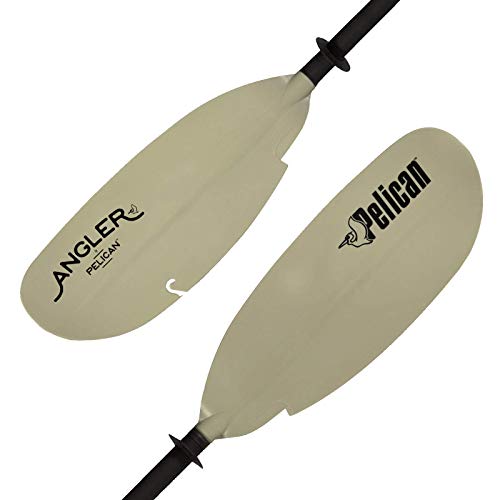

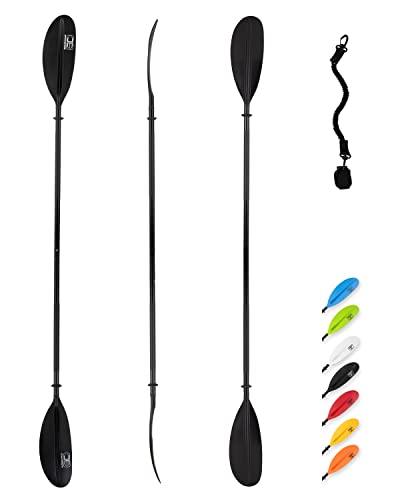
Paddle Materials and Maintenance Needs
Kayak paddles are constructed from various materials, each offering distinct characteristics regarding weight, stiffness, and durability. Plastic paddles are generally budget-friendly and sturdy, making them suitable for beginners, though they tend to be heavier. Fiberglass options provide a balance between weight and performance, appealing to those with some paddling experience. Carbon fiber represents the high-end category, known for being super lightweight and efficient, though it comes at a higher cost. Paddle shafts are typically made from aluminum, fiberglass, or carbon fiber, influencing the overall feel and handling of the paddle. Maintenance needs vary depending on the material composition. Plastic components require regular inspection for cracks or warping due to their heavier nature. Fiberglass and carbon fiber materials demand careful handling to avoid impact damage, as these materials can be more brittle under stress. Aluminum shafts may require attention to prevent corrosion or loosening of joints. General maintenance involves cleaning the paddle after use to remove debris and salt residue, which helps preserve the material integrity. Users should refer to their specific model manual for detailed disassembly procedures and electrical safety precautions if applicable. Proper storage in a cool, dry place away from direct sunlight is recommended to prevent material degradation over time. Regular checks for wear and tear ensure the paddle remains safe and effective for use.
Cleaning Routines for Longevity
To ensure the longevity of whitewater kayaking paddles, establishing a consistent cleaning routine is essential. The primary principle involves rinsing the paddle with fresh water immediately after every use. This step is particularly critical when the paddle has been exposed to saltwater, as salt can accelerate degradation if left on the surface. Regular rinsing helps remove basic contaminants before they have a chance to settle or cause harm to the materials. For a more comprehensive maintenance approach, a thorough cleaning should be performed periodically. This deeper cleaning process is recommended approximately every ten uses or whenever visible dirt and debris accumulate on the paddle. When conducting this thorough cleaning, using mild soap combined with water is the suggested method to effectively remove grime without damaging the paddle's finish or structural integrity. The frequency of these cleaning routines depends on usage conditions. Paddles used in harsh environments, such as saltwater or muddy rivers, require more attentive care to maintain their condition. By adhering to these regular cleaning intervals, users can help preserve the paddle's performance and extend its usable life. Consistency in these routines forms the foundation of proper paddle upkeep, ensuring that the equipment remains in good working order for future adventures.
Preventing Corrosion and Damage
To prevent corrosion and damage to whitewater kayaking paddles, specific care measures should be followed immediately after use. When paddling in saltwater environments, it is essential to rinse the paddle thoroughly with fresh water. This step helps remove salt deposits that can otherwise lead to the corrosion of metal components within the paddle structure. Proper storage is equally critical for maintaining the integrity of the equipment. Paddles should be kept in a cool, dry place to minimize environmental exposure that could degrade materials over time. During transport, using protective gear such as paddle bags can provide an additional layer of defense against physical impacts and abrasion. It is important to avoid placing heavy objects on top of the paddle, as this can cause structural stress or deformation. Furthermore, users should refrain from using the paddle to push off rocky riverbeds, as this action can introduce unnecessary wear and potential damage to the blade or shaft. Improper maintenance practices can result in several negative outcomes. Accumulation of salt or minerals may accelerate corrosion, while dirt and sand buildup can cause abrasive wear on surfaces. Neglecting care can also lead to stiffness in adjustable paddle mechanisms and weaken the shaft or blade through prolonged UV exposure. Adhering to these preventive steps helps mitigate these risks and supports the longevity of the paddle.
Inspection and Wear Recognition
To recognize wear and tear on a kayak paddle, begin by inspecting the blade, as it is the component most likely to encounter rocks or debris. Look closely for any cracks or deformities that may compromise structural integrity. Minor scratches are common from shallow water encounters, but deep gouges serve as warning signs that require attention. Next, examine the paddle shaft, which acts as the backbone of the equipment. Check for any warping or signs of weakness that could affect paddling performance. Pay specific attention to connection points and joints. If there is any wobbbliness or looseness at these areas, it indicates potential malfunction risks or inefficient strokes. For paddles used in saltwater environments, inspect all metal parts for discoloration, rust, or powdery residue, which signals corrosion. Additionally, observe the color of the paddle; while fading is often cosmetic, it may hint at underlying wear caused by sun exposure. Regularly checking the rudder and skeg components is also vital to ensure they remain damage-free and free of looseness. These systematic inspections help identify issues early, allowing for prompt addressing of damage before it impacts the paddle's strength or functionality during use.
Storage and Environmental Protection
To ensure optimal protection from external factors, paddles should be stored indoors rather than left exposed to the elements. Direct sunlight is a significant environmental factor that can degrade materials over time, so keeping the paddle in a shaded, interior location is recommended. When positioning the paddle for storage, it is important to avoid applying undue pressure to any specific part of the shaft or blade, as this can lead to warping or structural stress. Paddles can be hung either vertically or horizontally, provided the support method does not create point pressures that might damage the construction. For added security and to prevent accidental falls or knocks, using a dedicated paddle holder or rack is a prudent approach. If the paddle will remain in storage for extended periods, covering it with a protective bag or cover offers an additional layer of defense against dust, moisture, and ambient light. These storage practices help maintain the integrity of the paddle by shielding it from harsh environmental conditions. Proper storage contributes to the overall longevity and reliable performance of the equipment during future use on the water.
Material-Specific Care Guidelines
Carbon fiber paddles demand distinct maintenance approaches compared to other construction materials due to their unique physical properties. While these paddles offer significant durability, they are not impervious to damage and require specific attention to preserve their structural integrity. The primary care guideline involves conducting regular inspections to identify early signs of wear, particularly focusing on the surface for any indications of delamination. Delamination represents a separation of the material layers, which can compromise the paddle's performance and safety if left unaddressed. Unlike metal alternatives, carbon fiber exhibits superior resistance to corrosion, meaning rust prevention is not a primary concern for this material. However, this resistance does not extend to protection against mechanical stress or environmental factors. Users may need to take precautions to shield carbon fiber paddles from sharp impacts that could cause cracking or internal damage. Additionally, prolonged exposure to ultraviolet light from the sun can degrade the material over time. Therefore, protecting the paddle from extended UV exposure is a critical component of its care routine. By adhering to these material-specific guidelines, owners can help ensure the longevity and reliability of their carbon fiber equipment without relying on general maintenance practices suited for different materials.
Frequently Asked Questions
How does rinsing a paddle with fresh water after saltwater use help prevent damage?
Rinsing a paddle with fresh water after saltwater use helps prevent damage by removing salt and minerals that can corrode metal components. This simple maintenance step reduces the risk of stiffness in adjustable mechanisms and protects the paddle shaft or blade from degradation caused by accumulated salts.
What role does regular inspection play in identifying paddle wear and tear?
Regular inspection helps identify wear by checking blades for cracks or deformities, shafts for warping, and joints for looseness. It also reveals corrosion on metal parts or fading from sun exposure. These checks allow you to spot issues like deep gouges or wobbly connections early, ensuring the paddle remains safe and functional for future use.
How does proper storage away from direct sunlight affect paddle longevity?
Storing paddles away from direct sunlight helps prevent the weakening of the paddle shaft or blade caused by UV exposure. This proper storage practice, along with keeping paddles in cool, dry places, supports overall longevity by protecting materials from sun-related degradation.
What maintenance practices help keep adjustable paddle mechanisms from becoming stiff?
To help keep adjustable paddle mechanisms from becoming stiff, apply a silicone-based lubricant to the joints periodically. This practice ensures smooth operation and prevents the stiffness associated with improper maintenance. Regular cleaning after use, particularly in saltwater or muddy conditions, also supports overall mechanism performance.
In what ways do different paddle materials like plastic or carbon fiber influence maintenance approaches?
Different materials like plastic or carbon fiber have distinct care needs. Plastic paddles are sturdy but heavier, while carbon fiber is lightweight and elite. Maintenance involves regular inspections for cracks or wear specific to each material's durability. Saltwater exposure requires extra rinsing to prevent corrosion on metal parts or material degradation, ensuring longevity regardless of the construction.
Selecting a paddle with materials resistant to your specific water environment supports easier maintenance. For saltwater use, prioritize components that resist corrosion, while freshwater paddles require regular rinsing to remove debris. Regularly inspecting blades and shafts for cracks or wear helps identify issues early, ensuring the paddle remains in good condition for future use.


