

How to Choose the Right Dry Bags
⚡ Quick Answer
Having spent countless days on the water—fishing lakes, roaring whitewater, and tranquil bays—I’ve learned that protecting your gear from water intrusion is non-negotiable. Whether you're keeping your phone dry during a storm or safeguarding expensive fishing electronics, the right dry bag makes all the difference. The trick is choosing one that balances durability, capacity, and ease of access for your specific kayaking adventures.
Table of Contents
Not all dry bags are created equal, and picking the wrong one can turn an otherwise great day into a soggy disappointment. In this guide, I’ll walk you through what to consider, from material and sealing mechanisms to size and compatibility with your kayak gear setup—so you can confidently pick a dry bag that stands up to real water conditions.
Our Top Picks in Detail
Affiliate disclosure: if you buy through these links, we may earn a commission at no extra cost to you.
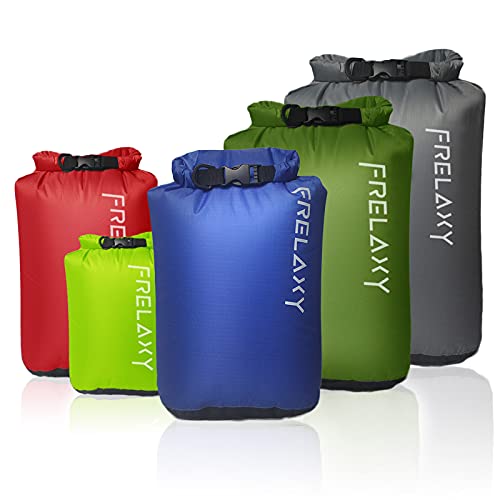
Frelaxy Dry Bag 3-Pack/5-Pack, Ultralight Dry Sack, Outdoor Bags Keep Gear Dry for Hiking, Backpacking, Kayaking, Camping, Swimming, Boating
$32.99Check Price →This is the pick to look at first if you want a reliable, well-rounded option that handles everyday use without unnecessary compromises. Frelaxy Dry Bag 3-Pack/5-Pack, Ultralight Dry Sack, Outdoor Bags Keep Gear Dry for Hiking, Backpacking, Kayaking, Camping, Swimming, Boating delivers solid performance across the features that matter most in this category.
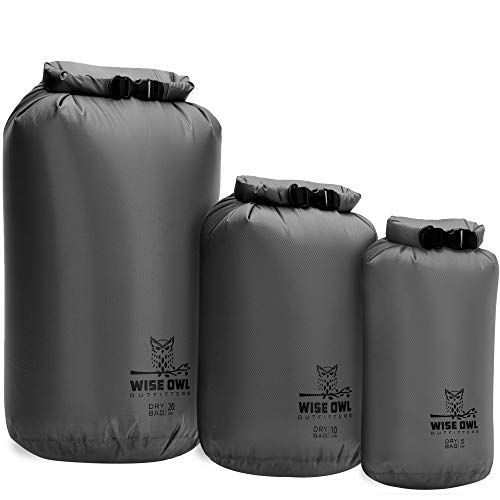
Wise Owl Outfitters Waterproof Dry Bag 3-Pack – Lightweight & Airtight 5L/10L/20L Small & Large Dry Bags for Kayaking, Beach, Travel, Boating, Hiking
$29.91Check Price →If the top pick doesn't quite fit your situation, Wise Owl Outfitters Waterproof Dry Bag 3-Pack – Lightweight & Airtight 5L/10L/20L Small & Large Dry Bags for Kayaking, Beach, Travel, Boating, Hiking is worth a close look as a capable alternative that still covers the essentials well.

Osprey Ultralight 3L Waterproof Dry Sack, Black
$19.79Check Price →For buyers who want the most for their money without sacrificing the features that actually matter, Osprey Ultralight 3L Waterproof Dry Sack, Black is the practical choice at this price point.
1. Types of Dry Bags and Their Suitability
Dry bags come in various forms—roll-top, ziplock, and waterproof backpacks—each suited to different activities and water conditions. From my experience, roll-top dry bags are the most versatile and reliable for kayaking, especially when facing whitewater or rough seas. They create an effective seal when properly rolled and clipped, preventing water ingress during choppy conditions.
For kayak fishing, a smaller, flatter dry bag that fits into your H-rail gear tracks or into the hatches keeps your electronics and personal items stashed securely without adding bulk. Recreational paddlers might prefer lightweight totes or waterproof gear sacs for easy access. Whitewater paddlers benefit from tough roll-top bags made of abrasion-resistant materials since they'll often rub against rocks and rough surfaces.
2. Material and Durability Considerations
The backbone of a dry bag’s performance is its material. Durable PVC and TPU-coated fabrics are common and excel at resisting abrasions, tears, and punctures—imperative when navigating rocky streams or surf zones. From my kayak whitewater days, I prefer thick, PVC-based bags because they can take a beating and still keep water out. For cooler weather fishing trips, where ice and saltwater are involved, corrosion-resistant, UV-stable fabrics hold up better over time.
Some bags feature welded seams, which are stronger and more waterproof than sewn ones, especially critical when riding whitewater or surf. Cheaper bags with sewn seams can develop small leaks at the stitching over time. When shopping, check seam construction and reinforcement in high-stress areas like the bottom and edges.
3. Size, Shape, and Capacity
Size really depends on your gear needs. I typically carry 5-10 liters for smaller essentials—phones, keys, and snacks—and larger bags (up to 20-30 liters) for clothing, extra gear, or electronics. For kayak fishing, a 10-15 liter dry bag often strikes the right balance—compact but large enough for your phone, GPS, and backup battery.
Shape matters too—flat, rectangular bags fit better in hatches or under seats, while cylindrical or roll-top style bags are easier to access on the fly. Consider the available space on your kayak and how you’ll access your gear during the trip. Overloading too much gear into one bag can make it difficult to access what you need quickly, especially when you're focused on paddling or fishing.
4. Sealing and Closure Techniques
Roll-top closures are the gold standard among kayakers—they’re simple, reliable, and easy to operate under water or with wet hands. To close, fold the top of the bag at least three times to expel excess air, then clip the ends together. This creates a tight seal that repels water even in whitewater or surf. I always double-check the seal before heading into rough water.
Zippered dry bags are convenient but require high-quality waterproof zippers and maintenance to stay effective. They’re often favored for gear that needs quick access, like fishing tackle or cameras, but require careful sealing and inspection before each trip. Some bags blend both—zip seals with roll-top closures—for added security.
5. Practical Tips for Selecting and Using Dry Bags
Choose a dry bag that matches your kayak’s storage layout and your activity’s demands. For fishing, consider hydration compatibility—some dry bags are designed to fit into rod holders or accessory tracks. For whitewater, prioritize abrasion resistance and secure sealing mechanisms.
When packing, avoid overstuffing to preserve the integrity of the seal. Use thin, compressible gear inside the bag to maximize space and minimize bulk. On long trips, inspect your dry bags regularly—seams, zippers, and closures can wear out over time. Keep an extra bag or sealant patches handy in case of emergencies.
6. FAQs About Dry Bags for Kayaking
What size dry bag should I get for a day trip?
For most day trips, a 10-15 liter dry bag is sufficient to hold essentials like your phone, keys, small electronics, and a light jacket. If you’re bringing more gear or extra layers, bump up to 20 liters.
Are dry bags really waterproof?
Yes—if they’re properly sealed and the material is in good condition. Always test your dry bag before heading out, especially if you’re relying on it for critical gear.
Can I use a dry bag for fishing gear?
Absolutely. Choose a bag with enough size and compartments for your tackle, electronics, and personal items. Consider a model that resists UV and saltwater corrosion for longevity.
How do I clean and care for my dry bag?
Rinse with fresh water after each trip, especially after exposure to saltwater or dirt. Dry it thoroughly in the shade, and store it unrolled in a cool, dry place to prevent damage or mold.
Can I use a dry bag for overnight kayak camping?
Yes. Larger dry bags designed for camping gear are available, providing more space and stronger materials suitable for heavier loads and multiple days on the water.
In essence, selecting the right dry bag boils down to knowing your specific needs—consider activity, gear, water conditions, and storage space—and choosing a high-quality, properly sealed bag suited for the rigors of real paddling scenarios. With the right dry bag, you can focus on the water, knowing your gear is protected no matter what the day throws at you.
Next step: Assess your upcoming trips, inventory your gear, and pick a dry bag that fits your kayak setup and adventure style. Happy paddling—and stay dry!
Frequently Asked Questions
How do I choose the right dry bag capacity for kayak fishing gear versus personal items like phones and snacks?
For kayak fishing, select a larger rectangular dry bag (20-30 liters) to accommodate rods, tackle boxes, and boots without wasting space. For smaller essentials like phones and snacks, opt for compact 5-liter bags that fit easily under the seat or in a cockpit corner.
What is the best material for a dry bag intended for whitewater kayaking versus calm lake fishing?
Whitewater kayakers should prioritize bags made from reinforced PVC or heavy-duty nylon with double-stitched seams to withstand abrasion and high impact. For calm lakes, standard polyurethane-coated fabric is sufficient, provided it features a reliable roll-top closure system.
Is it worth paying extra for dry bags with specific attachment points for kayak accessories like paddle leashes or roof racks?
Yes, investing in bags with D-rings or bungee loops is highly recommended if you need to secure gear to a kayak cart or roof rack. These features prevent items from sliding off during transport and allow you to easily strap down heavy fishing equipment.
How do I choose between a roll-top closure and a zippered seal for keeping electronics dry in a storm?
Roll-top closures are generally superior for extreme conditions because they create a larger air gap that prevents water from wicking down the seam. However, if you need quick access to your phone or camera, a high-quality waterproof zipper with a gasket offers a secure seal while maintaining convenience.
What is the best shape for a dry bag when storing bulky items like kayak seats or PFDs?
Choose a wide-mouth, rectangular-shaped dry bag to maximize packing efficiency for bulky items like inflatable seats or life jackets. This shape allows you to compress air out of soft gear more effectively than a traditional cylindrical roll-top design.
How do I choose the correct size dry bag to fit inside my specific kayak cockpit without blocking foot pedals?
Measure your available storage space and ensure the bag's width is narrow enough to avoid interfering with foot pedals or rudder controls. A tapered design often works best, as it maintains a wide opening for loading while narrowing at the bottom to fit snugly against the hull.


