

How to Choose the Right Kayaks
The right kayak is determined first by where you will use it. Calm inland lakes favor stable recreational hulls that are easy to enter and turn. Long crossings and windy open water reward a longer touring shape with stronger tracking and better efficiency. Moving rivers require maneuverability, impact resistance, and a design matched to the rapid class. Coastal use adds tides, chop, cold-water exposure, and self-rescue considerations. Choose for the most demanding water you realistically expect to paddle, not the easiest outing in your plans.
Table of Contents
Our Top Picks
Affiliate disclosure: if you buy through these links, we may earn a commission at no extra cost to you.


Start With the Water You Actually Paddle
Fishing, photography, camping, and family recreation also change the ideal setup. Anglers benefit from a stable deck, practical tackle storage, rod management, and enough capacity for a crate or cooler. Touring paddlers should prioritize an efficient hull, perimeter deck lines, sealed storage, and predictable handling in wind. A casual paddler carrying only water and a dry bag can usually favor simplicity and lower weight.
Choose Between Sit-on-Top and Sit-Inside Designs
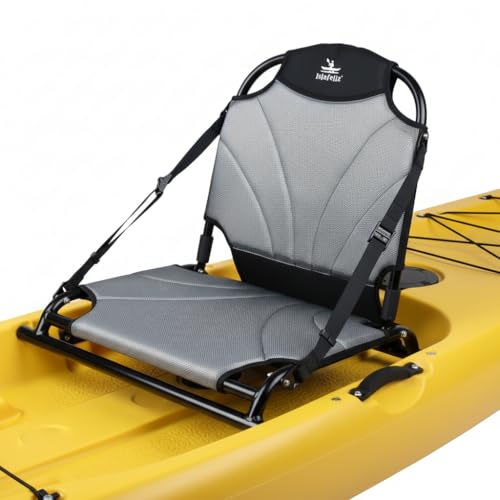
Sit-on-top kayaks are approachable because the cockpit is open and re-entry is usually easier. They are common choices for warm-weather recreation and fishing, especially when the paddler expects to get wet. Scupper holes let water drain through the hull, but the open deck provides less protection in cold air or cold water. Seat quality matters: a poor seating position can make even a stable kayak uncomfortable after an hour.
Sit-inside kayaks protect the lower body from spray and can feel more connected and efficient. Recreational cockpits are wide and friendly, while touring cockpits are more fitted and often designed for use with a spray skirt. Paddlers should practice wet exits and re-entry techniques before relying on a sit-inside boat away from shore. The best format is the one that matches your climate, mobility, rescue skills, and intended distance.
Match Hull Shape to Stability and Performance
A wider, flatter hull usually has strong initial stability, meaning it feels steady when you first sit in it. That is reassuring for beginners, anglers, and anyone boarding from a dock. A narrower or more rounded hull may feel livelier at rest but can offer better secondary stability when edged in waves. Longer kayaks generally track straighter and carry speed more efficiently; shorter kayaks turn more readily and are easier to store and transport.
Rocker describes how much the bow and stern curve upward. More rocker helps a kayak pivot and ride over waves, while a straighter keel line improves tracking. Hull design is a system, so no single measurement tells the whole story. If possible, test paddle the boat and check how it responds to forward strokes, sweep turns, edging, and a crosswind.
Get Capacity, Fit, and Weight Right
Do not treat the published maximum capacity as a comfortable everyday load. Add the paddler, clothing, water, safety equipment, fishing gear, camping equipment, and anything stored in hatches. Leave a useful margin below the stated limit so the hull maintains freeboard and handles as designed. Taller paddlers should check legroom, foot-brace range, cockpit opening, and seat width rather than relying only on the boat's overall length.
The kayak's own weight is equally important. A boat that performs beautifully but cannot be loaded safely may stay in the garage. Measure your vehicle, storage area, doors, stairs, and carry distance. Consider whether one person can lift it onto the rack and whether a cart is needed from the parking area to the launch.
Inspect Materials, Rigging, and Safety Features
Rotomolded polyethylene is durable and affordable but usually heavier. Thermoformed plastic can reduce weight and provide a cleaner finish, while composite construction offers excellent stiffness and efficiency at a higher price and with greater care requirements. Inflatable kayaks can solve transport and storage constraints, but the chamber layout, valve quality, inflation pressure, repair provisions, and drying routine all deserve close attention.
Look beyond accessory count. Check carrying handles, deck lines, hatch seals, drain plugs, foot braces, seat attachment points, and the accessibility of storage while seated. For fishing kayaks, confirm that rails and rod holders do not interfere with paddling or re-entry. Every kayak should be paired with a properly fitted personal flotation device, suitable paddle, whistle, weather awareness, and a flotation or rescue plan appropriate to the water.
Use a Practical Final Decision Process
Shortlist boats that fit your water type, activity, capacity, and transport limits. Compare the remaining choices on comfort, handling, construction, and service support. Sit in each kayak long enough to evaluate the seat and foot braces, then test paddle whenever possible. A model that feels predictable and comfortable will usually serve you better than one chosen for a long feature list.
Before buying, budget for the complete setup: paddle, personal flotation device, transport system, dry storage, safety equipment, and cold-water protection when needed. The right kayak is not simply the fastest or most heavily equipped option. It is the craft you can transport, paddle, recover, maintain, and use confidently in the conditions that matter to you.


