

How To Choose The Right Sit On Top Kayak
For fishing, you need a sit-on-top kayak that is at least 10 to 12 feet long for tracking stability and speed. Look for a hull width between 32 and 34 inches to balance the standing casting platform with manageable handling. Prioritize models with ample molded-in storage hatches and rod holders over those with excessive deck space, as your gear needs secure, dry placement more than open deck real estate.
Quick Answer
Table of Contents
Our Top Picks
Affiliate disclosure: if you buy through these links, we may earn a commission at no extra cost to you.
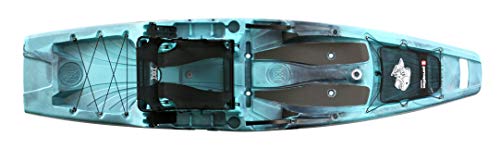


Hull Length and Tracking
The single most critical factor in choosing a fishing kayak is length. When you are casting into the wind or paddling against a current to reach a new spot, a shorter kayak will fight you every inch of the way. I used to run a 9-foot recreational boat for light shore fishing, and while it was easy to throw on my roof rack, it tracked terribly. Every time I casted hard to the left, the bow would swing right, forcing me to correct with a sweep stroke that wasted energy.
Aim for a length between 10 and 12 feet. This sweet spot provides enough waterline length for the hull to cut through chop without being so long that it becomes unwieldy in tight marshes. Longer kayaks maintain momentum better, meaning you spend less time paddling and more time fishing. If you are targeting species in open water or moving between islands, lean toward 12 feet. If you are navigating narrow creeks with overhanging branches, stay closer to the 10-foot mark.
Width and Primary Stability
Sit-on-top kayaks rely on primary stability—the initial feeling of stability when you first get in. For fishing, you want a wide hull, typically 32 to 34 inches. This width creates a flat platform that feels secure when you are unloading gear or setting up tackle boxes. However, there is a trade-off: wider kayaks are slower and harder to paddle because they displace more water.
Do not mistake width for secondary stability. Secondary stability is how the boat behaves when you lean it on its side, which happens constantly when you stand up to cast or fight a fish. A good fishing kayak will have a hull shape that feels tippy at first but becomes rock-solid as you angle your weight. Avoid ultra-wide "pontoon-style" kayaks unless you are mobility-impaired; they create too much drag and make paddling back to shore exhausting.
Storage Capacity vs. Deck Space
There is a common misconception that more deck space equals better fishing kayaks. In reality, open deck space is useless if your bait freezes or your electronics get soaked. Prioritize hull volume and watertight hatches over flat deck real estate. You need at least two large hatch compartments for dry bags, extra rods, and heavy gear like anchors.
Look for molded-in rod holders that are positioned correctly. Forward-mounted holders allow you to drag a jig or swimbait along the bottom without the line rubbing against the hull. Side-mounted holders should be adjustable or removable so you can clear them when casting. Also, consider the placement of tank wells; these are great for bungee-securing a cooler or a large tackle bag, but ensure they drain properly so water doesn't pool in your footwells.
Seating and Ergonomics
Your seat is the most important piece of gear on the boat. You will spend hours in it, often leaning forward to cast or back to reel. A cheap, flat foam pad will leave you with lower back pain by noon. Look for a high-back seat with adjustable height and fore/aft positioning. This allows you to shift your center of gravity when casting or paddling.
The material of the seat matters too. Mesh bottoms are essential for drainage and airflow, preventing that sweaty, uncomfortable feeling in summer. However, ensure the mesh is tight enough that your gear doesn't fall through. If you plan on fishing in cooler waters, consider a seat with a padded backrest that supports your lumbar region. Comfort directly correlates to focus; if you are shifting around trying to get comfortable, you aren't watching your line.
Material Durability
Fishing kayaks take a beating. They get dragged over sandbars, bumped against docks, and punctured by oyster beds or sharp rocks. Rotomolded polyethylene is the standard material for a reason: it is tough and repairable. When you scrape the bottom, it might dent, but it rarely cracks. Avoid composite materials like fiberglass or carbon fiber unless you are an expert paddler who never touches the bottom; they are too fragile for the average fishing environment.
Check the thickness of the hull. Thicker plastic (usually measured in millimeters) offers better impact resistance. Also, inspect the molding quality. Poorly molded kayaks often have thin spots or rough seams that can become failure points over time. A well-made kayak will feel solid and heavy when you lift it out of the water, signaling dense, durable plastic.
Frequently Asked Questions
Can I stand up in a sit-on-top fishing kayak?
Yes, but only if the model is specifically designed for it. Look for "standing platforms" with textured non-slip surfaces and a width of at least 34 inches. Narrower kayaks will feel dangerously tippy when you rise.
Do I need a motor mount?
If you fish in large bodies of water or windy areas, yes. A transom mount for a small electric trolling motor allows you to hold your position over structure without paddling. Ensure the kayak has a reinforced mounting area.
What is the best paddle shaft material for fishing?
Fiberglass offers the best balance of weight and flex for long days on the water. Aluminum is durable but heavy, while carbon is light but expensive and brittle. For fishing, where you may bump the paddle against the hull or rocks, fiberglass is the practical choice.
How do I keep my PFD from getting in the way?
Choose a fishing-specific PFD with low-profile armholes and ample pockets for pliers and knives. Look for models that allow you to remove the foam panels if you get too hot, or opt for an inflatable belt-pack style if mobility is your priority.
Is a paddle leash necessary?
Absolutely. If you capsize (even slightly) or drop your paddle while fighting a fish, losing it in open water is a disaster. A simple coiled leash attached to your PFD or the kayak deck ensures you never lose your primary means of propulsion.
Choosing the right sit-on-top fishing kayak comes down to balancing stability with paddling efficiency. By prioritizing hull length for tracking, ensuring adequate storage for your gear, and investing in a comfortable seat, you will


