

How to Outfit Your Kayak for Safe and Successful Spring Fishing Trips on St. Patrick's Day 2026
Spring fishing kicks off when the water temperatures are on the rise — and so is your excitement to hit the water. But before you paddle out on St. Patrick’s Day, it’s essential to outfit your kayak with the right gear to ensure safety, stability, and success. Having spent countless hours on lakes, rivers, and coastal waters, I’ve learned that choosing the right paddles, storage, and accessories makes all the difference—especially when targeting springtime species or navigating new waters.
Our Top Picks
Affiliate disclosure: if you buy through these links, we may earn a commission at no extra cost to you.


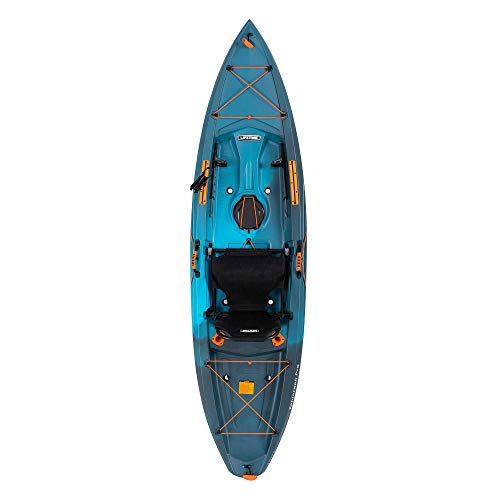
Pelican Catch Mode 110 Fishing Kayak - Premium Angler Kayak with Lawnchair seat, Granite - 10.5 Ft.
$879.99Check PriceWhether you're a seasoned angler or just dipping your toes into kayak fishing, a well-prepared setup keeps you comfortable, safe, and ready to adapt. Let’s walk through how to make sure your kayak is fully decked out for a smooth, productive spring outing.
Table of Contents
- Understanding Your Kayak Setup & Its Impact on Stability & Tracking
- Choosing the Right Paddles for Long Days on the Water
- Organizing Your Kayak Fishing Gear
- Essential Safety & Comfort Accessories
- Smart Storage: Dry Bags & Carts
- Final Tips for a Successful Spring Fishing Trip
- Frequently Asked Questions
Understanding Your Kayak Setup & Its Impact on Stability & Tracking
Getting your kayak ready for spring fishing starts with understanding its fundamental characteristics. Stability and tracking are key considerations—especially if you’re planning to stand while casting or use multiple gear setups. Sit-on-top kayaks are generally more stable, which is a boon when fishing in choppy or shallow waters, but their tracking can be a bit less precise. Conversely, longer, narrower kayaks track better and are faster but may feel more tippy if you're moving around a lot.
When outfitting your kayak, consider adding weight to the center or slightly forward for better tracking without sacrificing stability. Installing a tracking fin or skeg system can significantly improve straight-line paddling, particularly on open water. For fishing, a stable platform lets you stand confidently—something I’ve come to rely on when sight-fishing or casting into tight cover.
Choosing the Right Paddles for Long Days on the Water
Paddle selection is more than just picking between plastic or composite blades; it’s about matching blade material, shaft flex, and length to your paddling style and strength. I prefer lightweight aluminum or carbon fiber shafts for their durability and reduced fatigue. Carbon fiber paddles, although pricier, are lighter and more responsive—making long pushes less taxing, especially on a full day of fishing. The blade material influences tracking and power; reinforced nylon blades are durable and stiff, ideal for aggressive efforts, while fiberglass blades provide a smooth stroke with less splash.
Regarding blade shape, larger blades generate more power but can tire you faster if your strokes aren’t efficient. Look for a paddle with slightly dihedral blades—these help with tracking and reduce flutter, giving you a steadier stroke over several hours. Shaft flexibility is also important; a flexible shaft can absorb shock, reducing strain on your wrists. Ultimately, a well-balanced paddle with comfortable grips will keep you paddling longer and more comfortably.
Organizing Your Kayak Fishing Gear
Spring waters often demand quick access to tackle and gear. Flat, open decks spoil us with options, but organization is key to avoiding frustration and spillage. I rely heavily on modular fish compartments, deck organizers, and secure netting — especially when standing. Use rod holders strategically, aligning them for quick access and securing rods against unexpected splashes or wakes.
A practical tip: invest in a sit-on-top-compatible tackle box or dry bag with multiple compartments—this keeps your lures, pliers, and wallets dry and within reach. Sleeved rod storage systems are great for saving space, and magnetic gear holders keep your terminal tackle tidy. Remember, the less clutter on your deck, the safer and more comfortable your trip.
Essential Safety & Comfort Accessories
Safety gear is non-negotiable. A well-fitted PFD is your safety net, and comfort can’t be overlooked on a full day of fishing. I’ve found that padded, adjustable PFDs with multiple attachment points help me stay comfortable, especially when reaching for gear or adjusting my seat. Additionally, a waterproof dry bag—big enough to store extra clothing, snacks, and electronics—is vital for spring trips where weather can change fast.
For comfort, a good kayak seat with lumbar support makes long hours manageable. Look for adjustable backs and non-slip pads to prevent sliding. Paddle leashes are essential to avoid losing your paddle if you slip or capsize—trust me, I’ve been there. Finally, a whistle or sound device combined with reflective tape enhances visibility and safety in congested or low-visibility conditions.
Smart Storage: Dry Bags & Carts
Transporting and storing your gear efficiently means less stress and more fishing time. Dry bags are fantastic for protecting electronics, clothing, and catch; I prefer roll-top closure models with durable waterproof materials. Keep heavier items low and centered to maintain kayak stability, especially when carrying a lot of tackle or camera gear.
For carting gear to launch points, a quality kayak cart with inflatable tires and wide wheelbases reduces effort and prevents sinkage in uneven terrain. Make sure the cart’s frame is sturdy and corrosion-resistant—fiberglass-reinforced models last longer for saltwater or repeated trips. When load management is critical, I layer gear strategically in dry bags attached securely with carabiners or straps for quick deployment.
Final Tips for a Successful Spring Fishing Trip
Spring is unpredictable—keep your gear versatile. Use modular accessories like adjustable rod holders, multi-use dry bags, and attachable fish finders. Check your gear system before heading out—working PFDs, dry bags sealed, and paddles in good condition. Always tell someone your plans, especially in unfamiliar waters, and carry a basic first aid kit.
Remember, patience and preparation go hand in hand. Take the time to test your gear setup in similar conditions before your trip. This hands-on approach reduces surprises and builds confidence—crucial when navigating spring currents or wind. Success isn’t just about catching fish; it’s about a safe, enjoyable experience on the water.
Happy paddling and tight lines this St. Patrick’s Day! With the right outfit, your spring fishing trip will be both safe and successful.
Frequently Asked Questions
What’s the best paddle material for all-day fishing trips?
Carbon fiber paddles are the lightest and most responsive, reducing fatigue during long days, but reinforced nylon paddles are more durable and budget-friendly. Choose based on your strength and budget.
How can I improve tracking on my kayak?
Add a skeg or fin system, select a longer kayak with a V-shaped hull, and ensure proper weight distribution. These improvements help keep your kayak moving straight with less effort.
What safety gear should I always pack?
A fitted PFD, whistle, paddle leash, and a waterproof dry bag are essentials. Also, consider adding a signaling device or light if you venture into low-light conditions.
Are dry bags necessary for kayak fishing?
Yes, they protect your electronics, clothing, and catch from water, especially when paddling in choppy conditions or around wake zones.
What features should I look for in a kayak seat?
Look for adjustable lumbar support, cushioning, anti-slip surfaces, and quick-release mounting systems for easy swapping and comfort during long hours.
That’s your complete guide to outfitting your kayak for a safe, stable, and successful spring fishing season starting on St. Patrick’s Day. Equip wisely, paddle smartly, and enjoy every splash-filled moment!


