

How to Outfit Your Kayak for Spring Fishing Trips on a Budget in 2026
⚡ Quick Answer
Spring is one of the best times to hit the water for kayak fishing—mild weather, active fish, and long daylight hours make it prime time. But outfitting your kayak for these trips can quickly become expensive if you're not strategic. The good news? You don’t need to break the bank to get reliable gear that tracks well, stays stable, and holds up on real water conditions. Over years of paddling hard, I’ve learned the ins and outs of choosing affordable yet durable gear that enhances your fishing experience without draining your wallet.
Table of Contents
This guide is packed with practical advice based on real-world sessions—from river runs to calm lakes—and tailored for spring trips in 2026. Whether you’re upgrading your paddle, adding a fishing-specific anchor trolley, or selecting a budget-friendly dry bag, I’ll walk you through each step with honest comparisons and tips to help you make smart choices.
Our Top Picks in Detail
Affiliate disclosure: if you buy through these links, we may earn a commission at no extra cost to you.
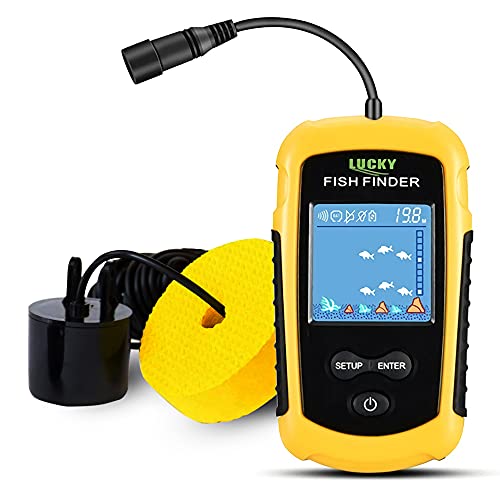
LUCKY Kayak Portable Fish Depth Finder Water Handheld Fish Finder Sonar Castable Kayak Boat Fishfinder Transducer Fishing LCD Display FFC1108
$42.99Check Price →This is the pick to look at first if you want a reliable, well-rounded option that handles everyday use without unnecessary compromises. LUCKY Kayak Portable Fish Depth Finder Water Handheld Fish Finder Sonar Castable Kayak Boat Fishfinder Transducer Fishing LCD Display FFC1108 delivers solid performance across the features that matter most in this category.

KastKing SteelStream 6pc Fishing Tool Kit - Corrosion Resistant Fishing Pliers with Lanyard, Fillet Knife, Floating Fish Lip Gripper, Fishing Braid Scissors, Tool Retractor, Fishing Gifts for Men
$25.59Check Price →If the top pick doesn't quite fit your situation, KastKing SteelStream 6pc Fishing Tool Kit - Corrosion Resistant Fishing Pliers with Lanyard, Fillet Knife, Floating Fish Lip Gripper, Fishing Braid Scissors, Tool Retractor, Fishing Gifts for Men is worth a close look as a capable alternative that still covers the essentials well.

KastKing Pontus Fishing Net, Foldable & Lightweight Landing Net with Built in Length Scale, Strength Aluminum Handle, Fishing Gear and Gift for Men
$21.99Check Price →For buyers who want the most for their money without sacrificing the features that actually matter, KastKing Pontus Fishing Net, Foldable & Lightweight Landing Net with Built in Length Scale, Strength Aluminum Handle, Fishing Gear and Gift for Men is the practical choice at this price point.
Choosing the Right Kayak Paddle
When it comes to paddles, the core considerations are blade material, shaft flex, and length. In my experience, composite and aluminum blades dominate the budget range, but each has pros and cons. For spring fishing, I recommend a 230–240cm paddle if you're in a sit-on-top kayak, balancing maneuverability and power. Blade materials vary from plastic, fiberglass, to carbon. Plastic blades like those from Carlisle or Minnkota are tough, inexpensive, and durable on the water—perfect for hauling around brush or rocky riverbanks. They’re slightly heavier but less fragile than fiberglass or carbon options, which can chip or crack under rough conditions. Fiberglass blades are lighter but can be pricier and more prone to damage if you frequently hit obstacles. Carbon paddles are ultimate lightweight but often outside a tight budget—save these for when you want to go ultra-light in high-performance rigs. Shaft flex is another key point. Rigid shafts transfer power efficiently for quick strokes, but a slight flex can reduce fatigue over long paddling sessions—something I value during all-day fishing trips. Adjustable models tend to be more versatile if you share your kayak, but fixed-shaft paddles are often more durable for budget builds. **Pro Tip:** Match your paddle length to your kayak width—add about 6–8 inches for wider boats—and try different blades in-store if possible. Your arms will thank you on those long spring mornings.Essential Kayak Fishing Gear
Fishing-specific gear should enhance stability and convenience. A good anchor trolley system adds control over your position, especially when fishing on windy days. Instead of expensive commercial kits, I’ve fashioned simple trolley setups using durable synthetic line and inexpensive carabiners—these hold up on river trips and large lakes alike. Rod holders are a must. Clamshell mounts that clamp onto your kayak are budget-friendly and adjustable. For the spring feeding frenzy, I prefer simple, adjustable strap-on mounts over drilled-in versions—they're easy to install and remove. Bait buckets with secure lids and foam flotation can keep bait fresh and accessible without sacrificing stability. For lure organization, waterproof tackle boxes stored in dry bags prevent corrosion and messy spills. Don't overlook a good fish finder if your budget allows; however, a simple, portable model with a decent transducer will serve well for most spring fishing trips, and can be mounted with inexpensive clamps. **Pro Tip:** Invest in multi-use gear—like a kayak-specific rod holder that doubles as stakes for anchoring—saving money and reducing clutter.Using a Kayak Cart for Easy Transport
Getting your kayak to the launch spot often eats into fishing time. A sturdy, budget-friendly kayak cart can change that. In my experience, folding aluminum frame carts with inflatable tires handle gravel or uneven terrain better than plastic ones. They're lighter, more durable, and less prone to blowouts. When choosing, look for a model with adjustable wheel height to prevent dragging on the ground or hitting rocks. Less expensive carts are often rated for 100–150 lbs, so ensure your kayak and gear stay within this weight limit. Anchoring the kayak to the cart with bungee cords or straps secures everything during transit. **Pro Tip:** Use thrifty padded straps or foam tubing to protect your kayak’s hull from scratches. Also, practice loading and unloading before your trip—this saves time and frustration on the water.Must-Have Kayak Accessories
Beyond the basics, small accessories can significantly improve your fishing trips. A paddle leash may seem extra, but it’s a lifesaver if you drop your paddle—especially in windy conditions or whitewater. Opt for adjustable, coiled leashes that won’t tangle or drag in the water. A dry bag is essential—look for ones made from PVC or nylon coated fabrics that resist punctures and keep your electronics, snacks, and extra gear dry. For long days, I pack a smaller dry bag inside for quick access to essentials like licenses and phones. A comfortable, budget kayak seat with adjustable back support reduces fatigue and back pain during extended sessions. In my experience, padded seats with inflatable bladders or foam padding offer the best support without breaking the bank. **Pro Tip:** Secure loose gear with bungee cords or gear ties to prevent it from shifting or falling overboard during paddling or fish fighting.Selecting Durable Dry Bags
When shopping for dry bags, durability and waterproofing are paramount. In spring, we often paddle on damp, cool days, or encounter splashes from waves and fish fights. I recommend rugged vinyl or coated nylon bags—they withstand abrasion hazards from rocks and kayak hulls. Sizes vary, but a 10–20L bag is enough for snacks and electronics, while larger 30–40L bags can hold extra clothes, rain gear, and bigger electronics. Roll-top closures with sturdy buckles provide a watertight seal, and double-seams prevent leaks over time. **Pro Tip:** Test your dry bags before the trip by filling them with paper or a towel and submerging them briefly—make sure they stay dry before heading out.PFDs, Paddle Leashes & Comfort
Safety remains top priority. A well-fitting PFD tailored for paddling and fishing offers comfort during long hours. Look for adjustable straps and enough buoyancy to handle your gear’s weight, especially if you plan to fish in deeper waters. A paddle leash is a simple line with clips—cheap and effective. I always attach mine when fishing from shallow to avoid losing my paddle to a snag or gust of wind. Comfortable kayak seats make all the difference. Budget models with adjustable backs, lumbar support, and breathable fabric are surprisingly affordable. If your seat lacks padding, add cushion pads or foam for extra comfort. **Pro Tip:** Always wear your PFD! It’s your primary safety gear, and a comfortable fit encourages consistent use.Budget-Friendly Roof Racks & Transport Tips
Transporting your kayak on a budget involves more than just the rack. Thrift stores sometimes carry used crossbars or racks designed for lightweight kayaks. If your vehicle lacks rack mounts, consider a universal roof rack system with adjustable clamps, or use foam blocks with straps for short trips—though less convenient, they’re affordable and effective. Make sure to pad contact points where your kayak contacts the rack, preventing hull scratches. Check tire pressure on your car's roof rack straps, and secure your kayak tightly for safe transportation. **Pro Tip:** Practice mounting your kayak before the day of your trip. It saves time and ensures your gear stays secure during the drive.Frequently Asked Questions
What’s the best budget kayak paddle for spring fishing?
Look for a 230–240cm plastic-blade paddle with an adjustable aluminum shaft. Brands like Carlisle or Pelican offer durable, affordable options suitable for most recreational and fishing kayaks.
How do I keep my gear dry and organized on a budget?
Use affordable PVC or coated nylon dry bags with roll-top closures. Organize by size and use smaller sealable plastic containers inside for added protection. Secure everything with bungee cords or tie-downs.
Are budget kayak carts reliable?
Yes, especially aluminum-framed carts with inflatable tires. Look for features like adjustable height and secure straps. They’re a one-time investment that greatly eases launching and hauling your kayak.
What safety gear should I prioritize on a limited budget?
Get a well-fitting PFD designed for paddling, a paddle leash, and a comfortable seat. These keep you safe and comfortable without overspending. Always wear your PFD!
Can I use my car’s existing roof rack for my kayak?
Only if it’s equipped with crossbars that can accommodate kayak straps or racks. Otherwise, consider a universal haul kit or foam blocks and straps—these are inexpensive and effective for occasional trips.
Outfitting your kayak for spring fishing in 2026 doesn’t have to drain your wallet. By focusing on durability, tracking, stability, and safety within your budget, you’ll be ready for memorable trips on the water. Start with the essentials—paddle, dry bag, PFD—and build your setup over time with practical, real-world gear. Happy paddling and tight lines!


