

How to Pack Dry Bags
On real water, the seal is everything. Roll-top closures with a 3- to 4-fold roll and a sturdy buckle are the most reliable waterproof option in rough paddling, while zip-top dry bags can be convenient but are more prone to grit and salt contamination. In my experience guiding multi-day trips, a properly rolled roll-top bag consistently keeps moisture out even under spray and dunking, provided you start with a clean, dry bag and roll tightly before clipping. If a bag's closure feels flimsy or you can see light through the seam, it's not a bag I trust on whitewater or saltwater days.
Table of Contents
Our Top Picks
Affiliate disclosure: if you buy through these links, we may earn a commission at no extra cost to you.
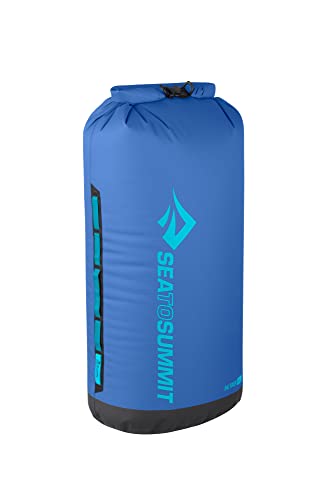
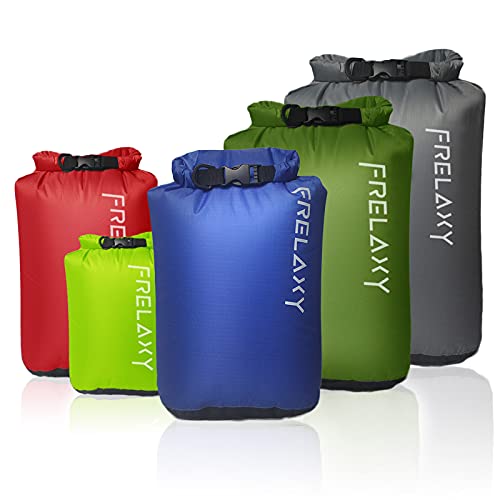

Factors to Consider
Closure system and waterproof integrity
Material, seams, and durability
Dry bags are typically nylon or polyester with TPU, PU, or PVC coatings for waterproofing; the coating and weave determine abrasion resistance and lifetime. Seams can be taped, welded, or stitched; taped and welded seams hold up longer in river rapids and salt spray. In field testing around kayaks and fishing rigs, reinforced bottoms and double-stitched seams prevent leaks when the bag rubs against hulls or rocks. For whitewater setups, choose thicker fabric and reinforced seam construction to withstand abrasion and repeated dunking.
Size, volume, and packing strategy
Sizes range from compact 4–5L sacks up to 60L or more for expedition trips; plan with a layering approach so each bag handles a category: clothes, electronics, and dry gear. For a typical day on the water, I use 10–15L for a light layer and a compact camera sleeve, plus an 8–12L for dinner and snacks; for a weekend, a 20–30L main bag plus a few 5–10L organizers works well. Remember, full bags float, but empty ones sink, so plan where you want quick access to dry items and how to recover them if they flip.
Weight, compression, and carry comfort
Compression straps help you squeeze extra gear into limited hull space without leaving bulky pockets flapping in the wind. Lighter bags are easier to carry on long paddles, but you don’t want to sacrifice durability; look for a balance between fabric weight and seam strength. On long sessions, using two mid-sized bags instead of one big sack can reduce fatigue by keeping contents stable and reducing shifting inside the hull.
Use-case pairing: fishing, rec, or whitewater
For kayak fishing, prioritize bags with interior organization and bright colors for quick access to leaders and phones; exterior pockets are a plus. Recreational paddling benefits from easy-grip closures and clear labeling to speed packing and retrieval. Whitewater trips demand rugged fabrics, reinforced bottoms, and bags that won’t trap water when dunked, so you can clip them off the stern with confidence and reach for what you need without leaking moisture into the hull.
Frequently Asked Questions
What size dry bag should I bring for a day paddle?
For a typical day, plan 10–15L for clothes and a compact rain layer, plus a separate 5–10L bag for electronics and valuables. If you’re carrying extra gear like a compact stove or camera kit, add a 20L bag to keep items organized and dry. Pairing a few smaller bags rather than a single large one helps keep your boat balanced and your contents accessible.
Roll-top vs zip-dry bags—what are the trade-offs?
Roll-top bags are generally more resistant to water intrusion during spray and immersion, and they’re easier to seal with gloves on. Zipper bags can be faster to access but are more sensitive to grit and wear in wet environments. In rough water tests, roll-tops tended to maintain dryness longer under splashing and brief submersion, though personal preference and use-case matter.
Are dry bags truly waterproof under real-water use?
Yes, when the seal is correctly closed and the bag isn’t damaged; leakage most often comes from damaged seams or a poorly rolled closure. A practical test before you go is to fill a bag with dry items, roll it 3–4 times, and submerge it for a quick leak check in a tub or sink.
Will a full dry bag float, and can it help float equipment if it falls overboard?
Full dry bags float due to trapped air; empty bags tend to sink, so plan accordingly. If buoyancy is critical for your setup, consider attaching bags with lanyards or using a dedicated flotation aid and avoid relying on a dry bag alone for safety.
How should I seal and pack items inside to maximize dryness?
Place the heaviest items at the bottom and roll the top 3–4 times, pressing out air as you go. For electronics, use a secondary inner dry bag or padded sleeve to add extra moisture protection and organize by access needs to speed retrieval on the water.
Is it okay to store camera gear or electronics in a dry bag?
Yes, but use smaller inner bags or padded sleeves to cushion shocks; many paddlers pair a dedicated camera dry bag with a protective slipcover inside the main bag. Double-bagging electronics in a secondary pouch reduces risk of moisture exposure if the outer bag takes a hit.
How do you maintain and care for dry bags to extend life?
Rinse with fresh water after saltwater use and air dry away from direct sun; inspect seams regularly for wear and replace damaged bags. Store bags unrolled in a cool, dry place to prevent creases and maintain coating integrity over time.


