

How to Choose the Right Kayak Paddles
⚡ Quick Answer
Matching the right paddle to your kayak and your watercraft style isn’t just about brand or aesthetics — it directly impacts your tracking, stability, and overall enjoyment on the water. After thousands of hours paddling in everything from quiet lakes to roaring whitewater, I’ve learned that the perfect paddle can make or break your experience, especially during long-distance fishing trips or a leisurely paddle along scenic rivers.
Table of Contents
Getting this choice right improves efficiency, reduces fatigue, and helps you confidently handle different water conditions. In this guide, I’ll walk you through everything you need to consider — from blade materials to paddle length and shaft flexibility — so you can make an informed decision tailored to your kayaking adventures.
Our Top Picks in Detail
Affiliate disclosure: if you buy through these links, we may earn a commission at no extra cost to you.
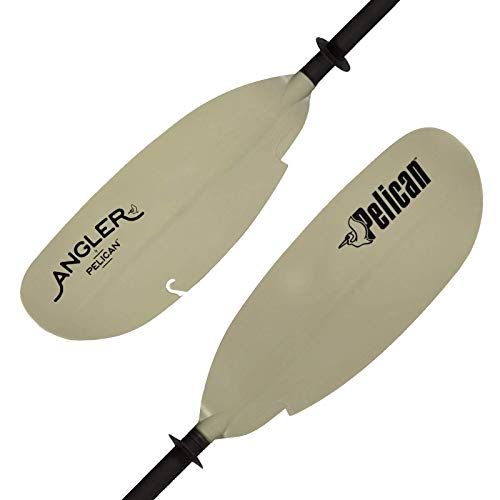
Pelican Poseidon Angler Fishing Lightweight Kayak Paddle - Built-in Retrieval Hooks - Fiberglass Reinforced (Sand, 98.5 in)
$74.99Check Price →This is the pick to look at first if you want a reliable, well-rounded option that handles everyday use without unnecessary compromises. Pelican Poseidon Angler Fishing Lightweight Kayak Paddle - Built-in Retrieval Hooks - Fiberglass Reinforced (Sand, 98.5 in) delivers solid performance across the features that matter most in this category.

WONITAGO Kayak Paddle Premium Carbon Fiber Paddle with Reinforced PP + Fiberglass Blade, Floating Adjustable Kayaking Oars, 3 Piece, 240-260 cm/94-102 Inches, Black
$65.99Check Price →If the top pick doesn't quite fit your situation, WONITAGO Kayak Paddle Premium Carbon Fiber Paddle with Reinforced PP + Fiberglass Blade, Floating Adjustable Kayaking Oars, 3 Piece, 240-260 cm/94-102 Inches, Black is worth a close look as a capable alternative that still covers the essentials well.

OCEANBROAD Adjustable Carbon Fiber Kayak Paddle 86in/220cm to 94in/240cm Kayaking Oar with Paddle Leash 1 Paddle, Orange
$55.95Check Price →For buyers who want the most for their money without sacrificing the features that actually matter, OCEANBROAD Adjustable Carbon Fiber Kayak Paddle 86in/220cm to 94in/240cm Kayaking Oar with Paddle Leash 1 Paddle, Orange is the practical choice at this price point.
Understanding Paddle Types & Uses
Not all paddles are created equal, and choosing the right type depends heavily on your kayaking activity. Recreation paddles are generally straightforward: focused on stability and ease of use, perfect for relaxed lakes or calm rivers. Fishing paddles tend to prioritize sturdiness, blade size, and balanced weight to handle long hours on the water with minimal fatigue. Whitewater paddles, on the other hand, are optimized for quick, powerful strokes, with shorter shafts and reinforced blades for durability against rocks and turbulent water.
When selecting a paddle, consider where you'll be paddling most often. A paddle designed for calm water can feel clunky in whitewater, while a whitewater paddle might be inefficient for a day-long fishing float. Test paddles at your local shop or rental to get a feel for what suits your style best.
Blade Materials & Shapes
The blade material impacts durability, performance, and weight. Fiberglass blades are lightweight and resilient, making them good all-around choices, especially for longer trips where fatigue can set in. Carbon fiber blades are even lighter and stiffer, translating to less effort per stroke but at a higher price. Plastic blades are heavier and less responsive but excel in whitewater environments where hits with rocks are inevitable.
Blade shape also influences how the paddle interacts with the water. Larger, broader blades provide more power and are ideal for fishing or moving through calm water. Narrower blades focus on efficiency and less fatigue, better suited for long-distance touring or recreational paddling.
Shaft Flex & Length
Shaft flex is more than a comfort feature; it influences how your paddle transmits power. A stiffer shaft offers better responsiveness, especially in whitewater or when needing to make quick directional changes. Flexible shafts absorb shock and reduce fatigue on lengthy paddles, making them better suited to touring or fishing where you’re paddling steadily for hours.
Determining the right length is crucial — too short, and you’ll struggle with tracking; too long, and you'll lose stroke efficiency and feel cramped. As a rule of thumb, recreational paddles are typically 210-220cm, fishing paddles hover around 230cm, and whitewater paddles are usually 180-200cm. Always consider your kayak’s width and your personal height. A wider kayak calls for a longer paddle for proper leverage.
Comfort & Ergonomics
Long paddling sessions demand comfort, so ergonomic grips and shaft shapes matter. Rubber or foam grips can prevent blisters during extended use, while textured shafts ensure a good grip even when wet. Shaft diameter should also fit comfortably in your hand — a thicker shaft offers more strength but can cause fatigue, so find a balance based on your hand size.
For those who paddle frequently, consider paddles with adjustable ferrules or bent shafts to optimize stroke angle. These features can reduce strain on your shoulders and improve overall paddling efficiency. Proper paddle length and grip height are critical to prevent fatigue and ensure proper tracking, especially when paddling with gear such as dry bags and kayak fishing accessories.
Practical Tips for Choosing Your Paddle
Before buying, think about the typical conditions you’ll face and your physical comfort. Try paddles in-store or rent different styles to see what feels best. Heft the paddle in your hand: it should feel balanced without feeling heavy after a few strokes. Consider your kayak’s width, your activity (fishing, touring, recreational), and whether you prefer a lightweight or durable paddle.
Remember that investing in a quality paddle tailored to your needs pays off in better tracking, less fatigue, and more enjoyable water time. It also makes handling accessories like kayak carts, roof racks, and dry bags easier when your gear is balanced and well-matched to your paddle choice.
Frequently Asked Questions
Can I use a whitewater paddle for fishing?
While technically possible, a whitewater paddle’s shorter length and construction are not optimized for fishing. It may be less efficient over long hours and lacks the blade size needed for steady power on flatwater. For fishing, a longer, broader-bladed paddle made from durable material is preferable.
How long should my kayak paddle be?
It depends on your kayak’s width and your paddling style. A common range is 210-230cm. For instance, wider fishing kayaks typically benefit from 225-230cm paddles for better leverage, whereas narrow rec kayaks might do well with 210-215cm.
What blade material is best for durability?
Fiberglass and reinforced plastic blades are excellent choices for durability. Fiberglass offers a good mix of toughness and light weight, suitable for long trips or fishing, while plastic is most affordable and rugged for whitewater conditions.
Is a flexible shaft better for touring?
Flexible shafts can reduce fatigue during long-distance paddling by absorbing shock. They’re ideal for touring or fishing trips where steady, relaxed strokes are more common than quick maneuvers.
How does paddle weight affect paddling?
Heavier paddles cause quicker fatigue, especially over long distances or rough water. Lighter paddles reduce strain and improve stroke efficiency, but they often cost more upfront. Balance weight, durability, and price when choosing.
Choosing the right kayak paddle involves understanding your specific needs and how different features influence performance on real water. A well-matched paddle boosts your tracking, stability, and comfort—making every outing more enjoyable.
Next step: try out different paddles that match your kayak style and activity. Don’t rush; your perfect paddle is out there, waiting to improve your water adventures!
Frequently Asked Questions
How do I choose the right kayak paddle for my specific water conditions and paddling style?
Select a lightweight carbon fiber or fiberglass blade with a moderate angle for calm lake fishing to reduce fatigue, while opting for stiffer materials and larger surface areas for rougher whitewater. Ensure the shaft length matches your height and stroke style to maintain proper tracking and stability.
What is the best kayak paddle material for durability versus weight savings?
Fiberglass offers an excellent balance of durability and cost, making it ideal for beginners or those who fish from rocky shores. If weight is your primary concern for long-distance touring, carbon fiber provides superior strength-to-weight ratios but at a higher price point.
Is it worth investing in a kayak paddle with interchangeable blades?
Yes, an interchangeable blade system allows you to swap between different shapes and sizes depending on the water conditions or your physical needs. This versatility extends the life of your gear and lets you adapt quickly without purchasing multiple complete paddles.
How do I choose a paddle that will fit my kayak cart and roof rack setup?
Measure the length of your kayak cart or roof rack arms to ensure your chosen paddle shaft does not exceed storage limits. Look for paddles with secure leash attachment points if you plan to store them on a roof rack where they might be exposed to wind or accidental dislodgement.
What is the best blade shape for kayak fishing versus recreational paddling?
For kayak fishing, an asymmetric blade with a larger surface area on the power side helps maintain tracking while you stand or cast. Recreational paddlers often prefer symmetric blades that offer balanced efficiency for steady, long-distance strokes.
How do I choose a paddle shaft length based on my height and kayak type?
A general rule is to add 20-30 cm to your height in centimeters, but adjust shorter if you have a sit-on-top fishing kayak where you stand frequently. Taller kayaks or sea kayaks typically require longer shafts to prevent excessive bending at the hips during each stroke.
Is it worth buying a paddle with a leash attachment for safety on open water?
Absolutely, especially when kayak fishing in deeper water where losing a paddle could be dangerous or costly. A secure leash prevents your expensive gear from floating away if you slip off the boat or drop the paddle during a capsize.


