

How to Choose the Right Paddle Leashes 2026
Selecting a paddle surf leash depends on water conditions and personal needs. Coiled leashes are suitable for flat water to reduce drag, while straight leashes may be better for surf or rough water to allow freedom of movement. Hybrid leashes offer a balance of both. When choosing, consider leash length, material durability, and width. It is also important to evaluate the swivel mechanism and attachment points to ensure compatibility and prevent tangling.
Quick Answer
Choosing the right leash depends on water conditions and personal needs. For flat water, coiled leashes may be suitable, while straight or hybrid leashes are recommended for surf or rough water. Consider length, with shorter options for flat water and longer options for more movement in waves. Material choices like polyurethane or nylon, along with thickness and swivel quality, also affect durability and performance. Ensure the leash is compatible with your board's attachment points.
Table of Contents
Our Top Picks
Affiliate disclosure: if you buy through these links, we may earn a commission at no extra cost to you.


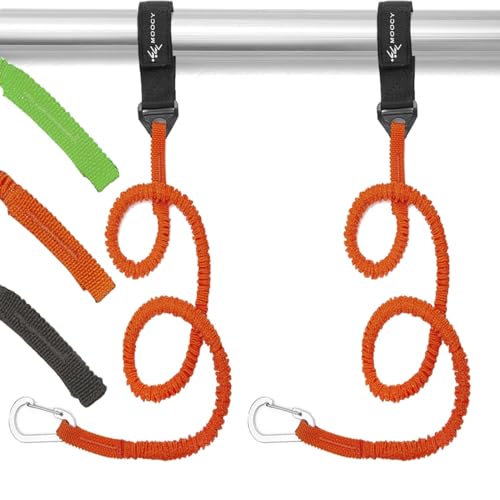
The Importance of a Paddle Leash
A paddle surf leash serves as a critical safety tool rather than a mere accessory. One primary reason for its importance is that it ensures a board remains within reach, even when encountering rough water conditions. Statistics from the American Canoe Association indicate that over 60% of paddle boarding accidents involve paddlers becoming separated from their boards. By using a leash, a person can stay connected to their board during a fall, which is particularly vital in wavy or windy environments where boards might otherwise drift away quickly. Without this connection, there is a risk of being left stranded in the water, a situation that can become dangerous when far from the shore. Beyond personal safety, the leash also serves to protect others in the water. In crowded areas, a loose board can become a hazard that potentially injures swimmers or other paddlers. Therefore, utilizing a leash is a method of managing personal risk while also maintaining the safety of those in the surrounding environment. Maintaining this connection helps prevent the dangerous separation of the paddler from their equipment, ensuring the board remains accessible and does not become a wandering hazard to others.
Understanding Different Leash Types
Different leash types offer varying features for paddle surfing. Coiled leashes utilize stretchy, coiled material to keep the leash short and out of the water while standing. This design aims to reduce drag and prevent tangling around fins or legs. These are often used in flat water like lakes or calm rivers, typically ranging from 6 to 10 feet. However, they may not be recommended for rough water because the coil could stretch excessively in waves. Straight leashes consist of non-stretchy material and are generally longer, ranging from 8 to 12 feet. They are designed for surf or rough water to allow more freedom of movement. This type allows the board to drift further during a fall, which can reduce the risk of the board hitting the user. While they may create more drag or be harder to manage in wind, they are less likely to tangle. Hybrid leashes combine features of both styles, featuring a coiled section near the ankle and a straight section connecting to the board. This design seeks to reduce drag while providing enough slack for surf conditions. They serve as a versatile option for those navigating both flat water and surf environments.
Selecting the Right Leash Length and Material
When selecting a leash length, consider the water conditions and your physical dimensions. For paddling in flat water, a shorter length between 6 and 8 feet may be sufficient to reduce drag and keep the cord out of the water. In surf or rough water conditions, a longer length of 8 to 12 feet is recommended to allow for more freedom of movement. Additionally, height and board size are factors to consider, as taller paddlers or those using larger boards may require a longer leash to facilitate climbing back onto the board after a fall. Regarding material, choices often include polyurethane or nylon. Polyurethane leashes are more durable and resistant to UV damage, while nylon leashes are softer and more comfortable but may have a shorter lifespan. For ankle comfort, a neoprene cuff can be selected to provide a soft, flexible fit that helps prevent chafing or irritation. When considering thickness, thicker leashes offer more strength and are less likely to snap, though they may be heavier and create more drag. A width of 5 to 7 millimeters is often a balanced option for strength and performance.
Attachment Points and Swivel Mechanisms
When considering attachment points, the connection to the ankle typically involves a cuff, while the connection to the board involves a plug or a D-ring. It is important to ensure the ankle cuff provides a secure and comfortable fit through a strong buckle or Velcro closure. Because board designs vary, users should verify that the leash is compatible with their specific board attachment system, whether it uses a tail plug, a D-ring, or another type of mounting point. Regarding the swivel mechanism, its function is to allow the leash to rotate freely to prevent tangling around fins or legs. For durability and smooth operation, selecting a high-quality swivel, such as those made of brass or stainless steel, is a recommended approach. The positioning of the swivel is also a key factor; it should be located near the ankle cuff to facilitate free rotation during movement. Ensuring the swivel is placed correctly helps maintain the intended functionality of the mechanism. By checking the compatibility of the board attachment points and the quality and placement of the swivel, users can better manage the connection between themselves and their board. These components work together to manage the physical link between the person and the equipment.
Safety Maintenance and Environmental Use
When engaging in paddle surfing, wearing a leash is a vital safety practice. Even during calm environmental conditions, sudden gusts of wind or small waves can displace a person from their board. Maintaining the connection between the user and the board ensures the board remains within reach for a quick return. Regularly inspecting the equipment before every session is a necessary maintenance principle. Users should examine the leash material for signs of damage, such as cracks, fraying, or weak spots. It is also important to check the cuff, swivel, and attachment points to ensure they remain secure and in good condition. If any damage is detected, the leash should be replaced immediately, as worn components may snap under pressure and leave a person stranded. Environmental use requires selecting the appropriate leash for specific water conditions to manage risks like tangling or drag. For flat water paddling, a coiled leash is often a suitable choice. In surf or rough water conditions, a straight or hybrid leash is recommended. Choosing a leash that matches the intended paddling environment can help prevent injury and ensure the equipment performs as intended.
Frequently Asked Questions
Why is a paddle surf leash considered a critical safety tool?
A paddle surf leash is a critical safety tool because it keeps the board within reach if a paddler falls off. This prevents being stranded in the water, especially in windy or wavy conditions. Additionally, using a leash helps prevent the board from becoming a hazard that could injure other swimmers or paddlers in the water.
How do coiled leashes differ from straight leashes in terms of use?
Coiled leashes are ideal for flat water, such as lakes or calm rivers, because they reduce drag and stay out of the water. Straight leashes are designed for surf or rough water conditions, providing more freedom of movement. While straight leashes may create more drag, they allow the board to drift further during falls.
What are the benefits of a hybrid leash design?
Hybrid leashes combine features of coiled and straight designs, featuring a coiled section near the ankle and a straight section connecting to the board. This design can reduce drag while providing enough slack for surf conditions. They offer a balance of performance and safety, serving as a versatile option for paddlers in both flat water and surf conditions.
How does leash material affect durability and comfort?
Polyurethane leashes may offer more durability and resistance to UV damage. Nylon leashes are described as softer and more comfortable, though they might not last as long. For ankle comfort, neoprene cuffs can provide a soft, flexible fit that helps prevent chafing and irritation during long paddles.
Why should you check your leash regularly before paddling?
Checking your leash before paddling helps identify signs of wear or damage, such as cracks, fraying, or weak spots. It is also important to inspect the cuff, swivel, and attachment points to ensure they are secure. Regular inspections help prevent a leash from snapping under pressure, which could leave a paddler stranded in the water.
Before each paddle session, examine the leash for signs of damage such as cracks, fraying, or weak spots. It is also necessary to inspect the cuff, swivel, and attachment points to ensure they remain secure and in good condition. If any damage is noticed, the leash should be replaced immediately to prevent it from snapping under pressure.


